In a food or pharmaceutical plant the floor is more than a surface. It is part of the hygiene audit, and every joint, crack or hard-to-clean corner can become a finding.
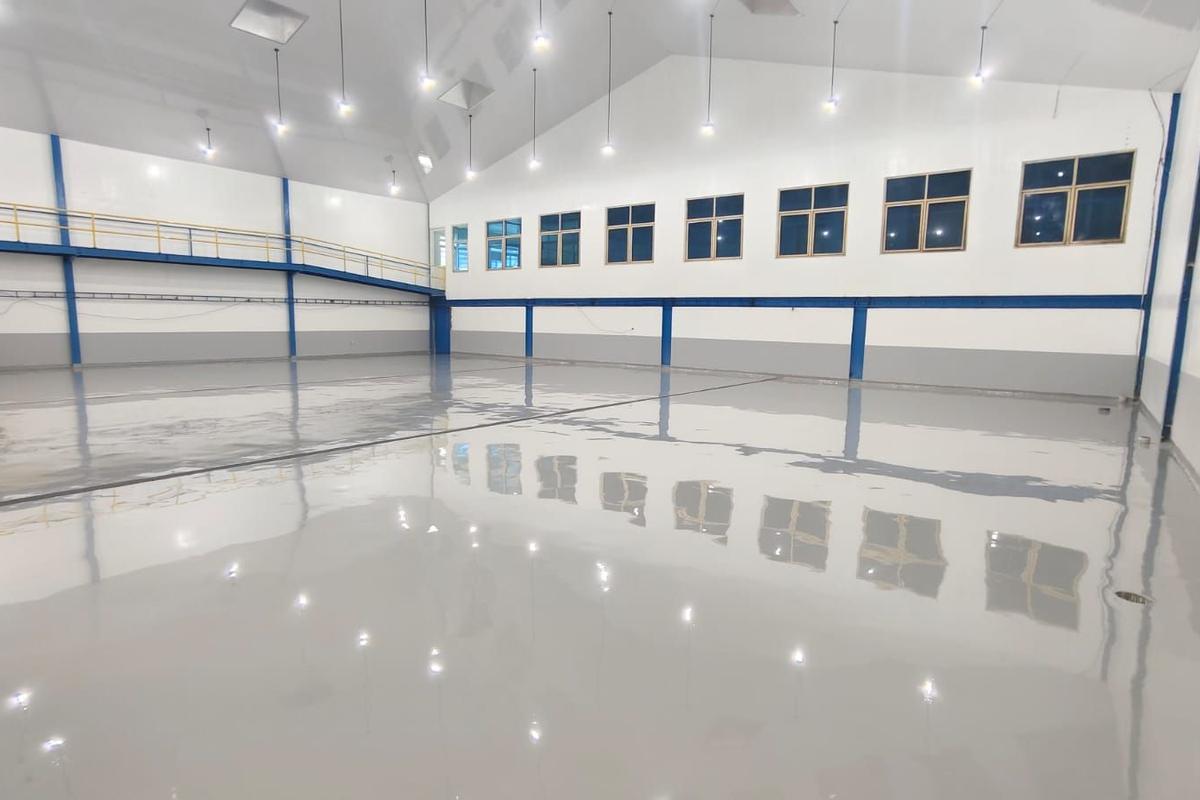
What floor suits a food or pharmaceutical plant? A seamless, non-porous floor with coved skirting where it meets the wall, resistant to cleaning chemicals and anti slip in wet areas. For areas washed down with hot water, a polyurethane (PU) system is usually a better fit than epoxy.
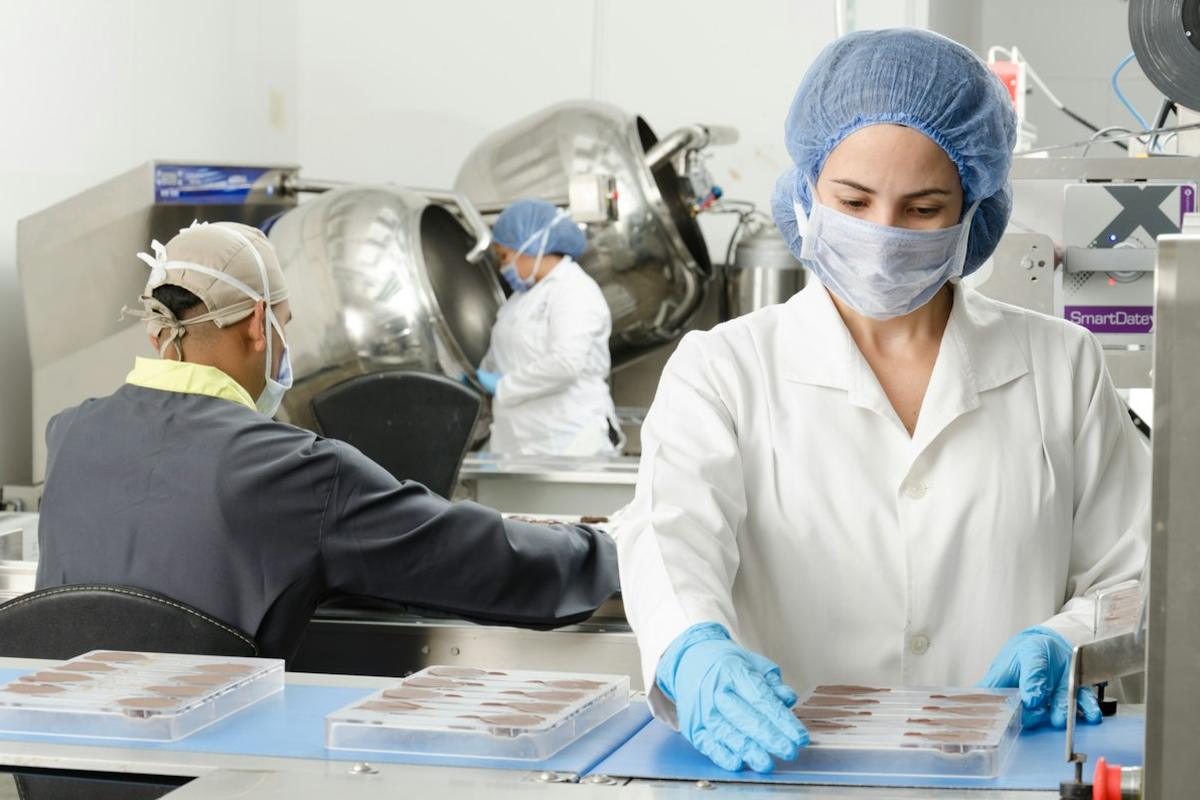
Why the floor is audited
Dirt and bacteria collect in gaps: tile grout, cracked concrete, and the square corner between floor and wall. That is why food and pharmaceutical facility guidelines, including Indonesia’s CPOB good manufacturing practice for pharma, ask for surfaces that are smooth, sealed and easy to clean.
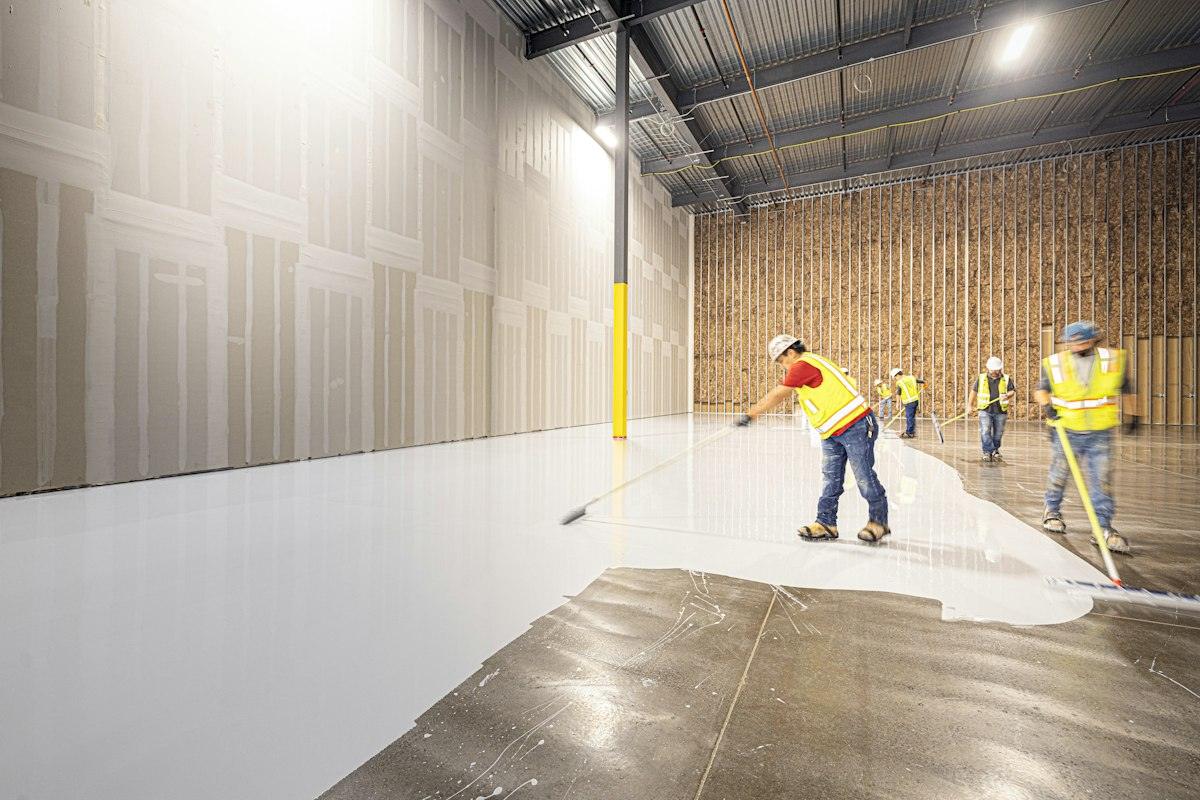
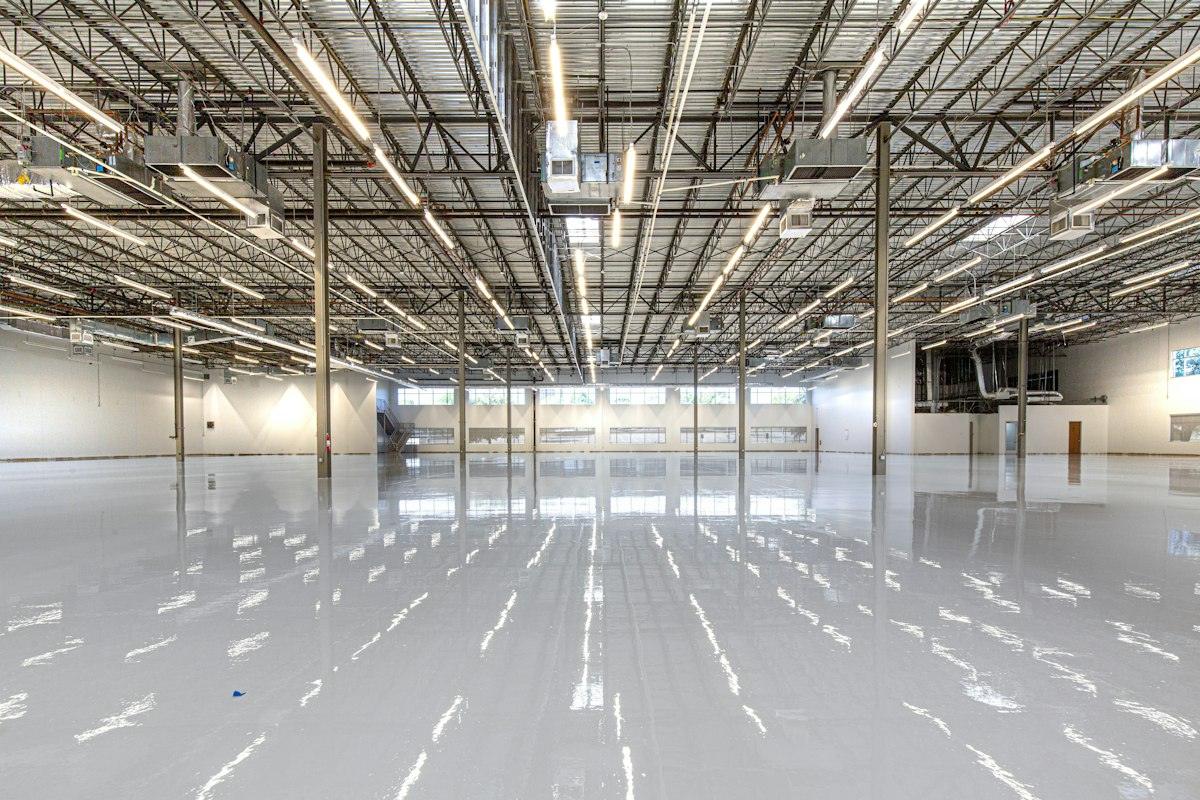
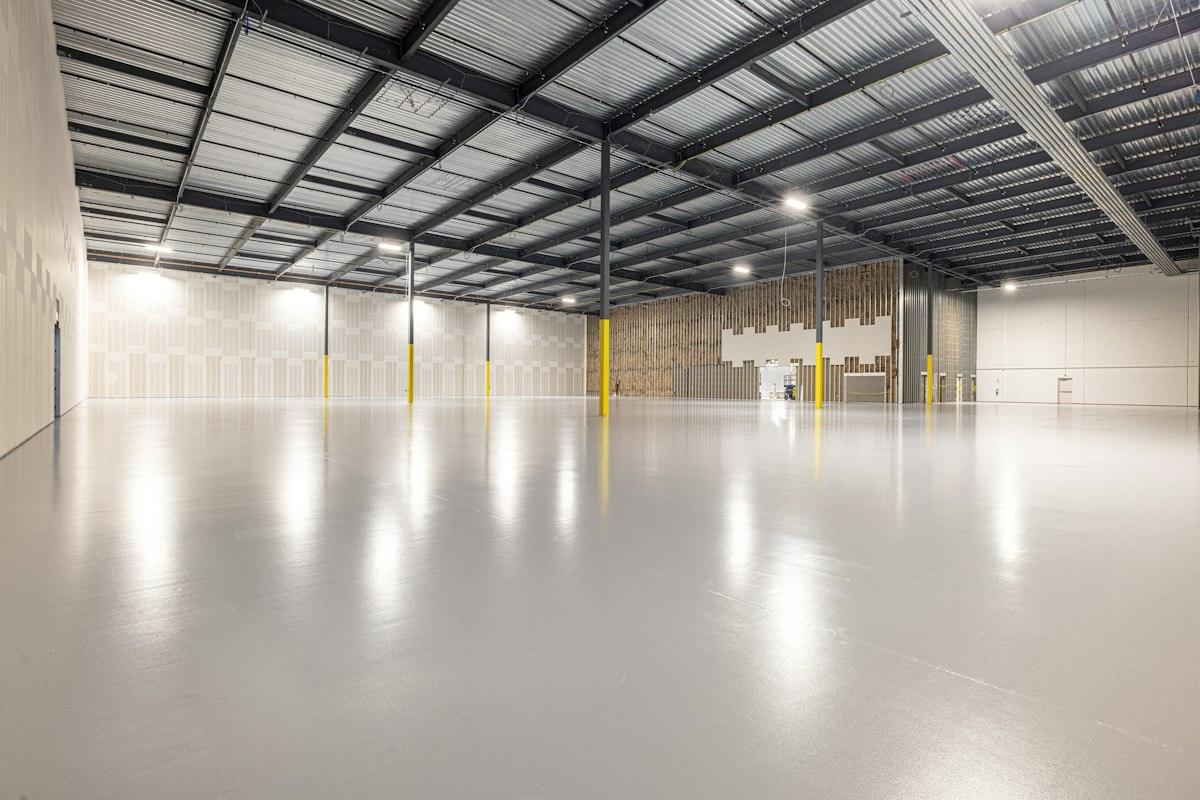
Epoxy meets that because it goes down without joints and seals the pores of the concrete. A sealed floor also does not absorb spills, so it does not hold smells or stains.
What usually goes in the specification
- Seamless. Poured continuously, including around machines and drains.
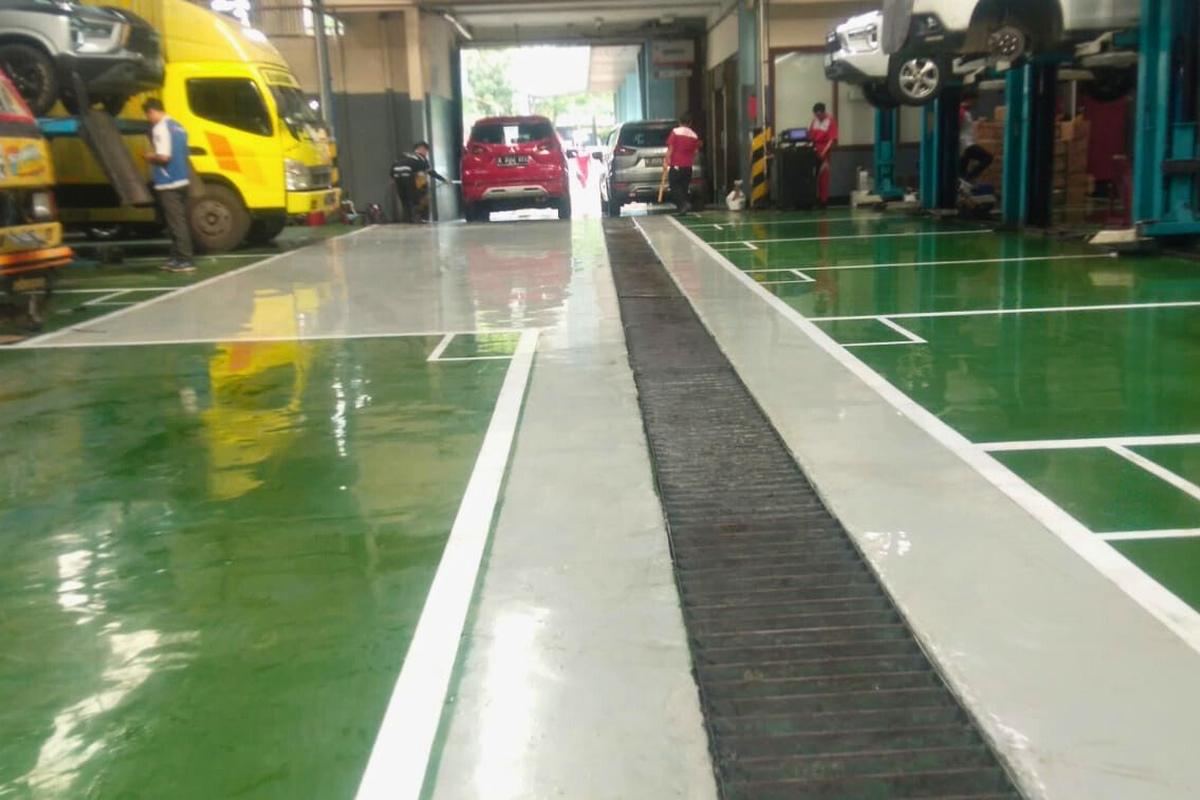
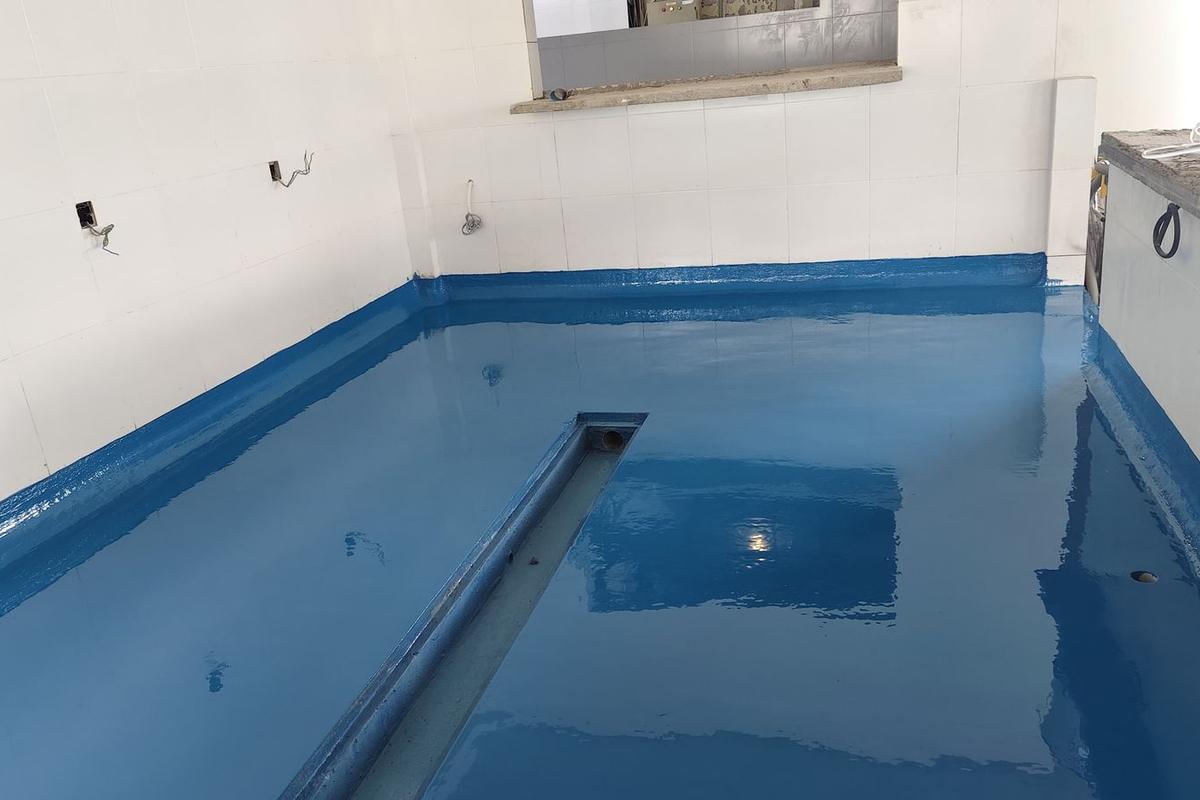
- Coved skirting. The floor curves up into the wall instead of meeting it at a right angle, so it can be mopped clean.
- Resistant to cleaning chemicals. Including the alkaline detergents, disinfectants and mild acids used every day.
- Anti slip where wet. Wash areas and wet production get a textured finish.
- Falls to drains. Water must not pond, so the slope to each floor drain is checked before coating.
When epoxy is not enough
Standard epoxy starts to soften under constant hot water or steam, for example in pressure wash areas running water above about 60 °C, or next to ovens and boilers. Those areas usually get polyurethane cement (PU), which handles thermal shock better.
One plant can use both: epoxy in dry rooms, ingredient stores and packing, PU in wash and cooking areas.
Pharmaceutical production rooms
In pharmaceutical production rooms and clean rooms the floor must not shed particles either. It has to be hard, sealed and resistant to the disinfectants used daily. For rooms with sensitive electronics, antistatic versions carry static charge away to earth.
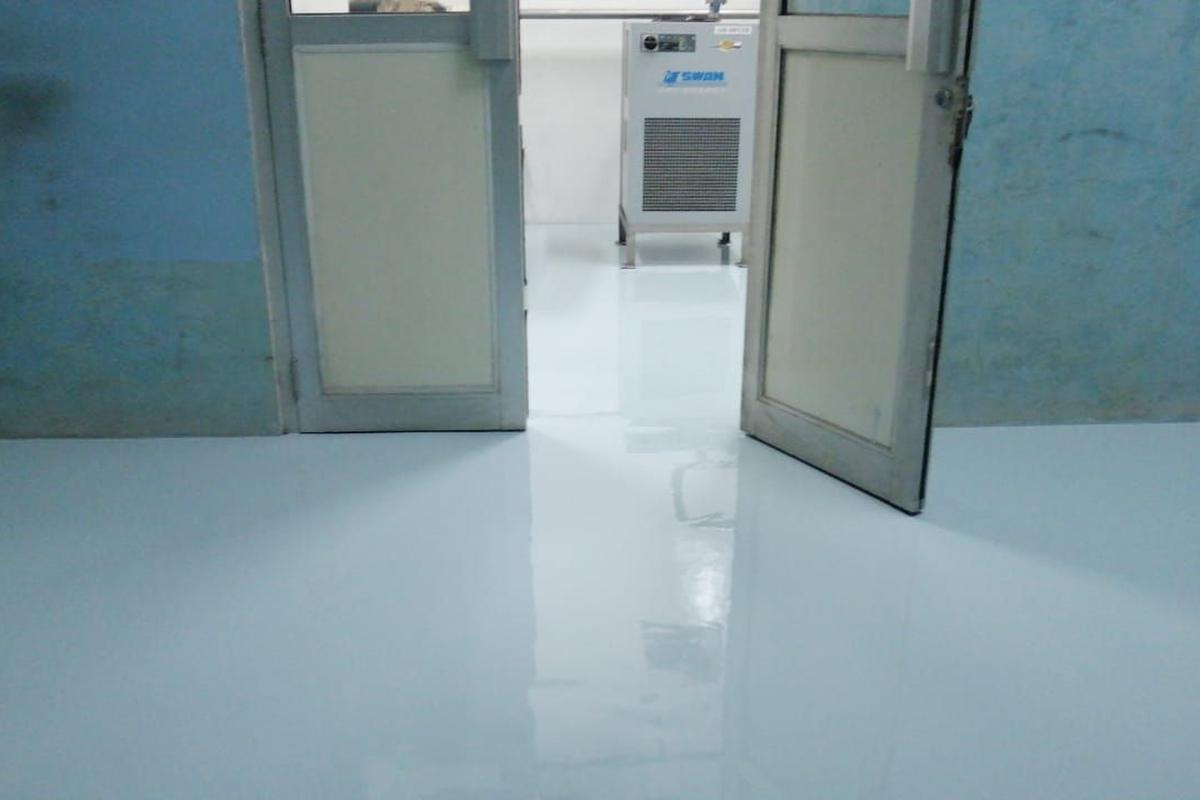
Mella Paint has installed epoxy floors in food and pharmaceutical plants including PT Mayora Indah, PT Cimory, Aqua Citeureup and Oryza Pharma Indonesia.A selection of projects