Most first-day delays do not come from the applicators. They come from an area that is not cleared, power that is not ready, or access nobody arranged. All of it can be sorted before the crew arrives.
What should be ready before epoxy flooring work starts? Clear the work area, provide three phase power for the grinders, water and lighting, a route for material, the building manager’s permit, and an agreed schedule of working hours and zones that can be closed.
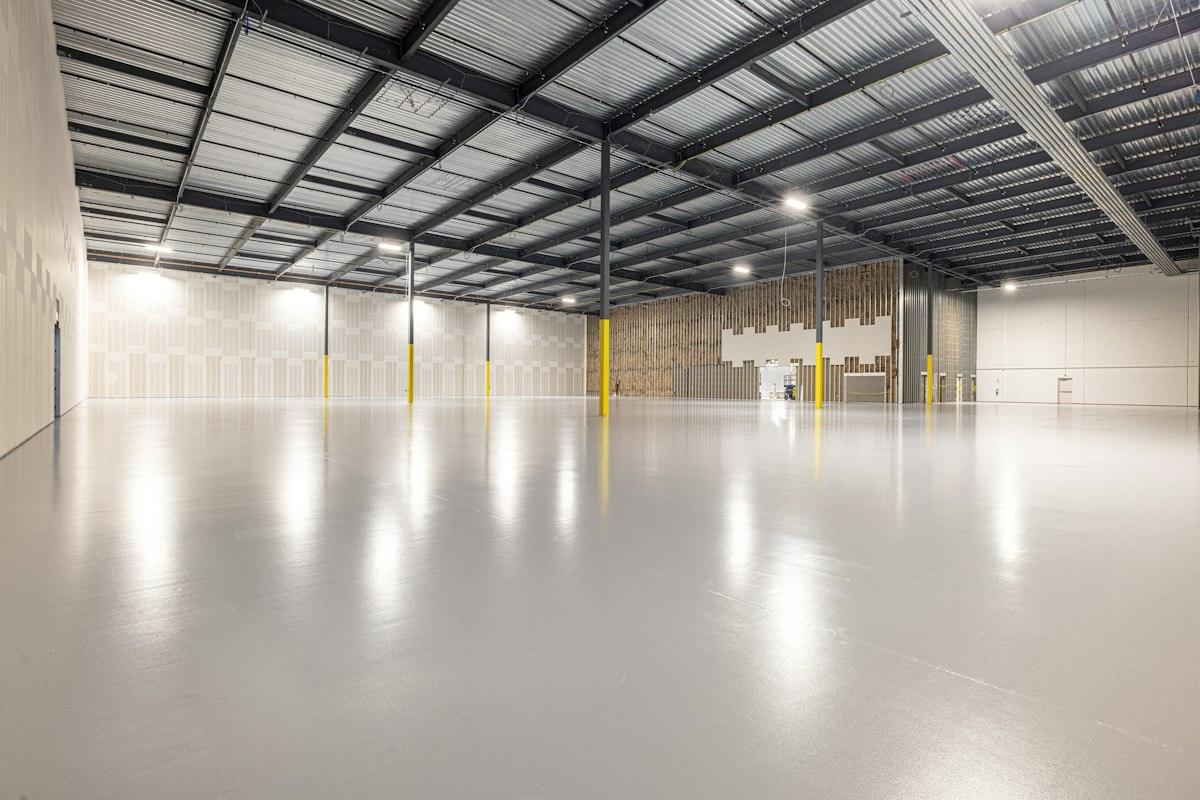
A cleared work area
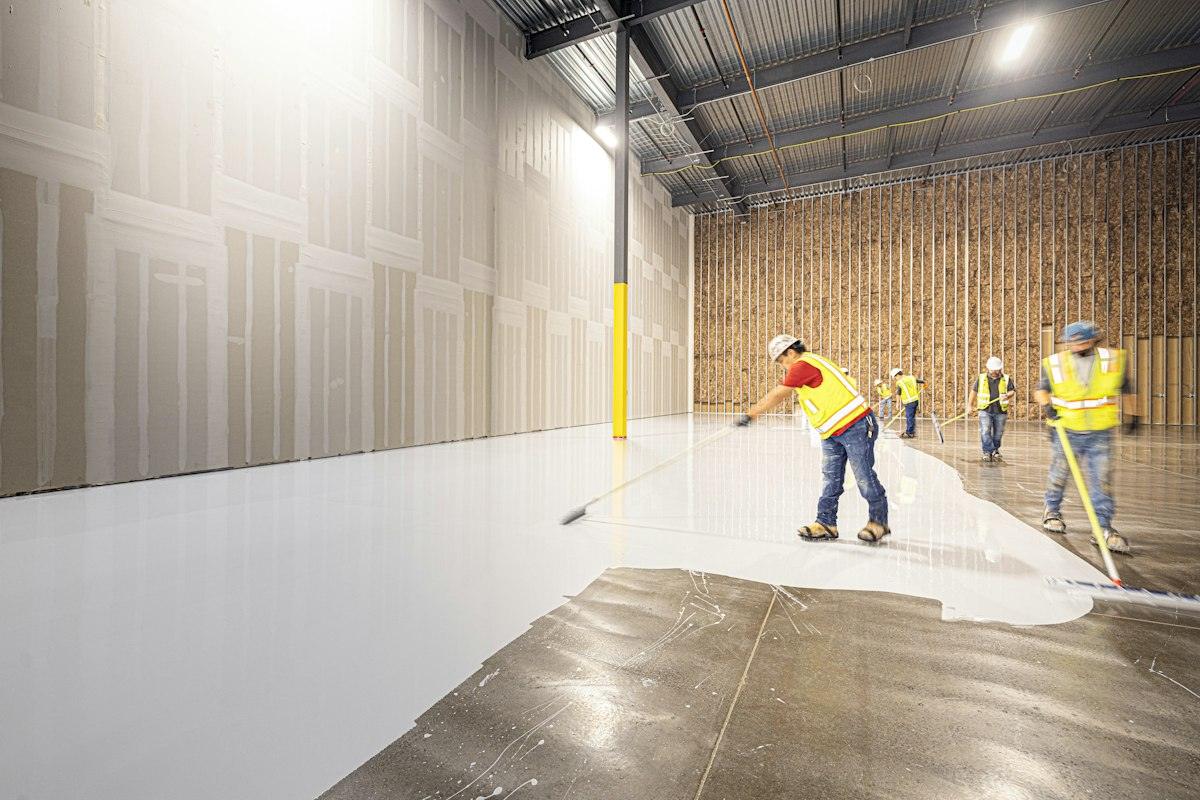
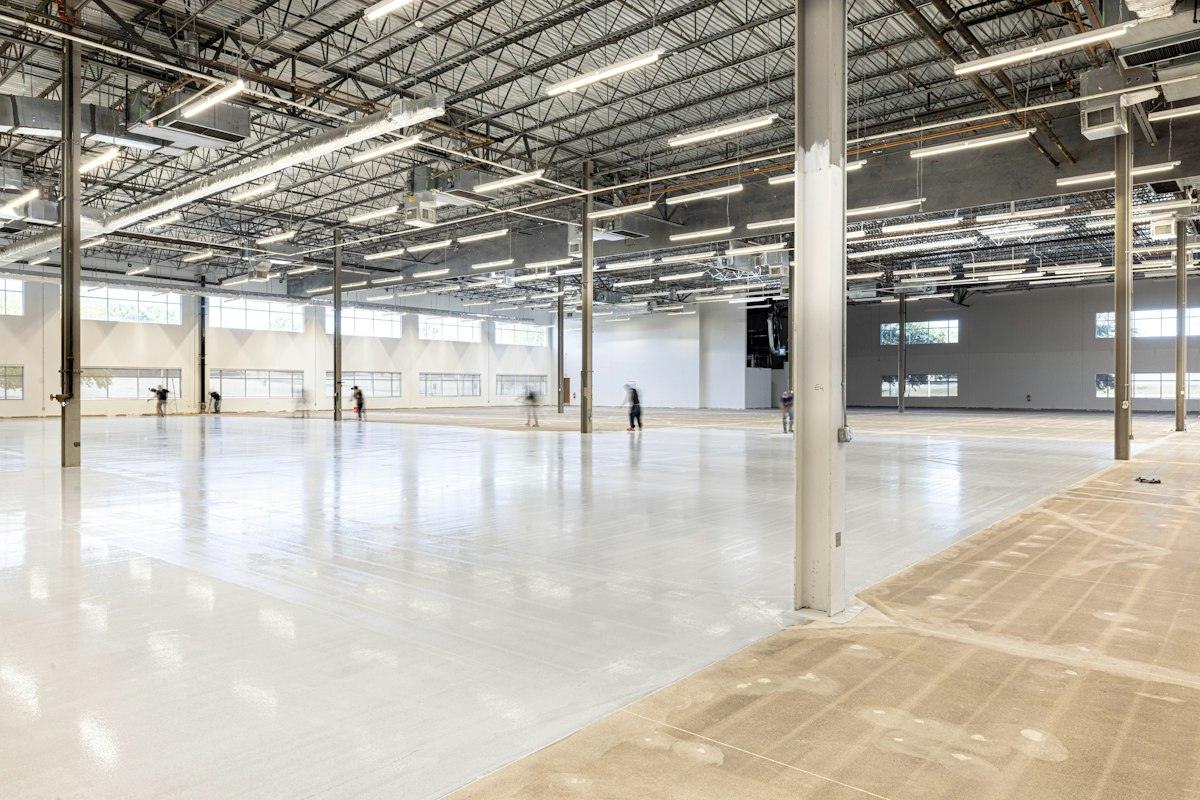
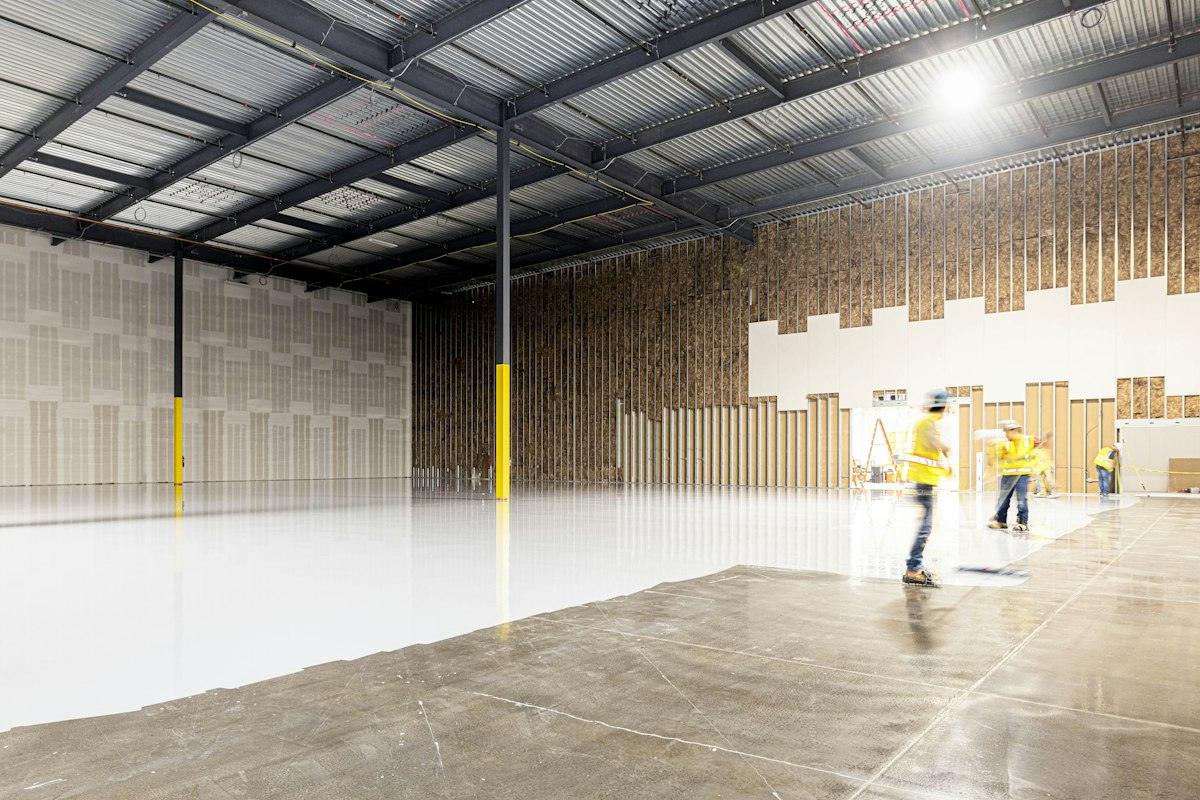
Racking, movable machines, pallets and stock have to come out of the area being done. Epoxy cannot go down under stored goods, and the area has to stay closed while it cures. For machines that cannot move, agree early whether the floor under them is done or only the floor around them.
Other trades, such as wall painting, ceiling work or welding, are best finished first. Dust and spatter that land in a wet coat stay in it.
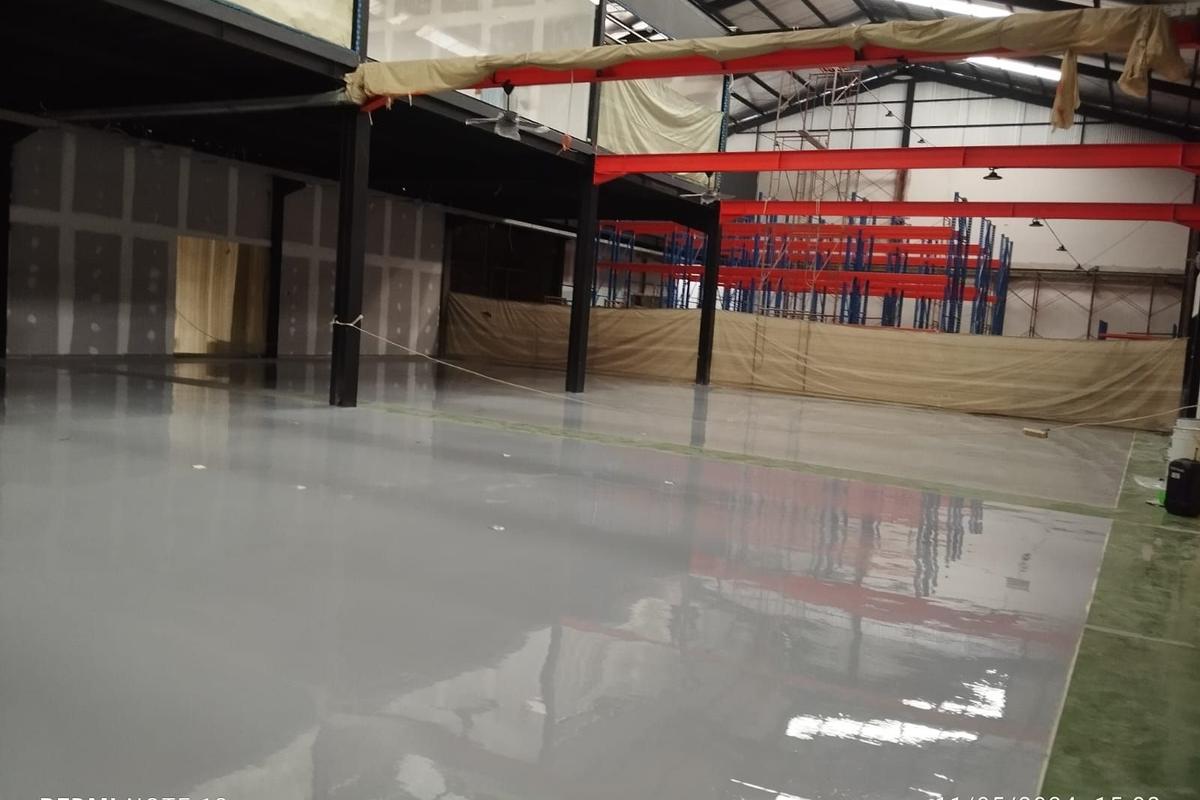
Power, water and lighting
- Three phase power. Floor grinders and industrial vacuums usually need three phase power. Show the crew which panel they can use and its capacity.
- Clean water. Needed to clean tools and the area after grinding.
- Lighting. A coat only goes on evenly in good light. Night work needs extra work lights.
Access, permits and schedule
Material arrives in drums and sacks, so the route from the truck to the work area needs to be clear. In commercial buildings, arrange the work permit with building management, including loading hours and access cards for the crew.
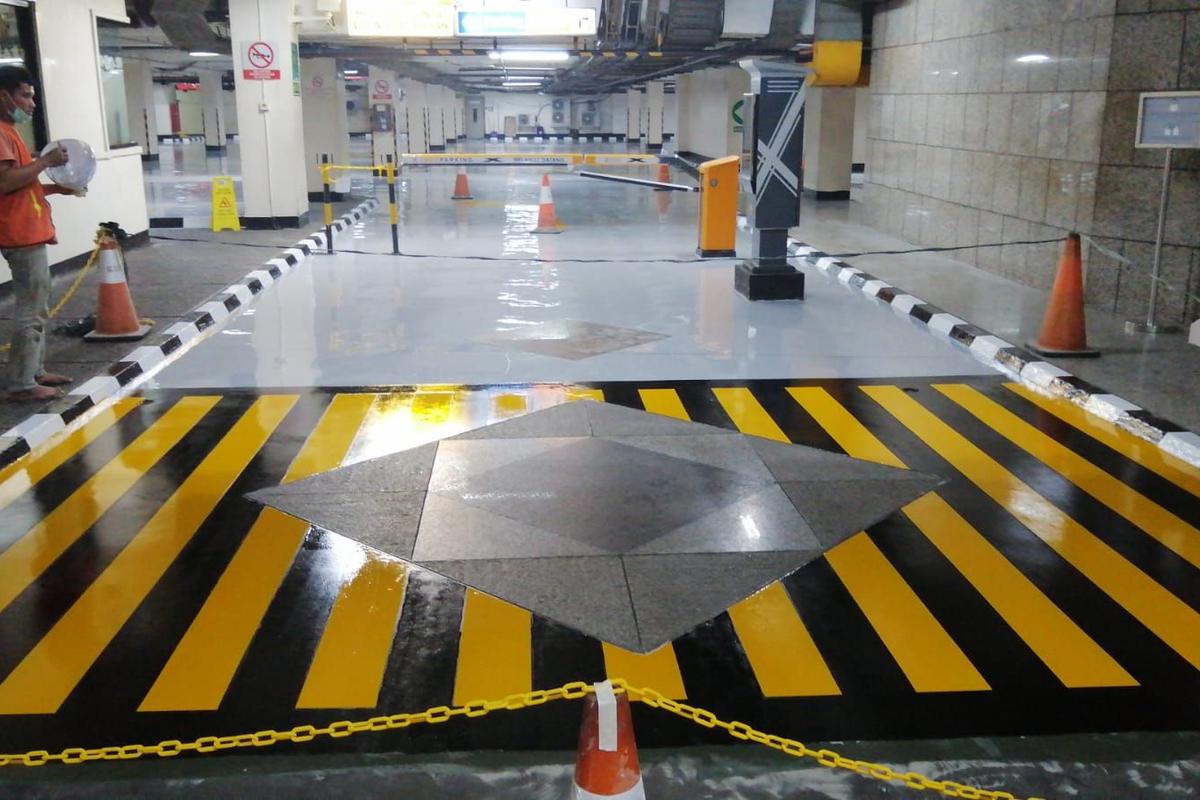
Agree which zones close and when. Areas that stay in use are separated with barriers, and traffic is diverted until the coat is hard enough to cross.
Temperature, humidity and ventilation
Epoxy is sensitive to temperature and humidity. A very hot room speeds curing and shortens the working time of the material, while very humid air can leave a cloudy bloom on the surface. Keep ventilation running, and tell the crew about any roof leaks or puddles that appear when it rains.