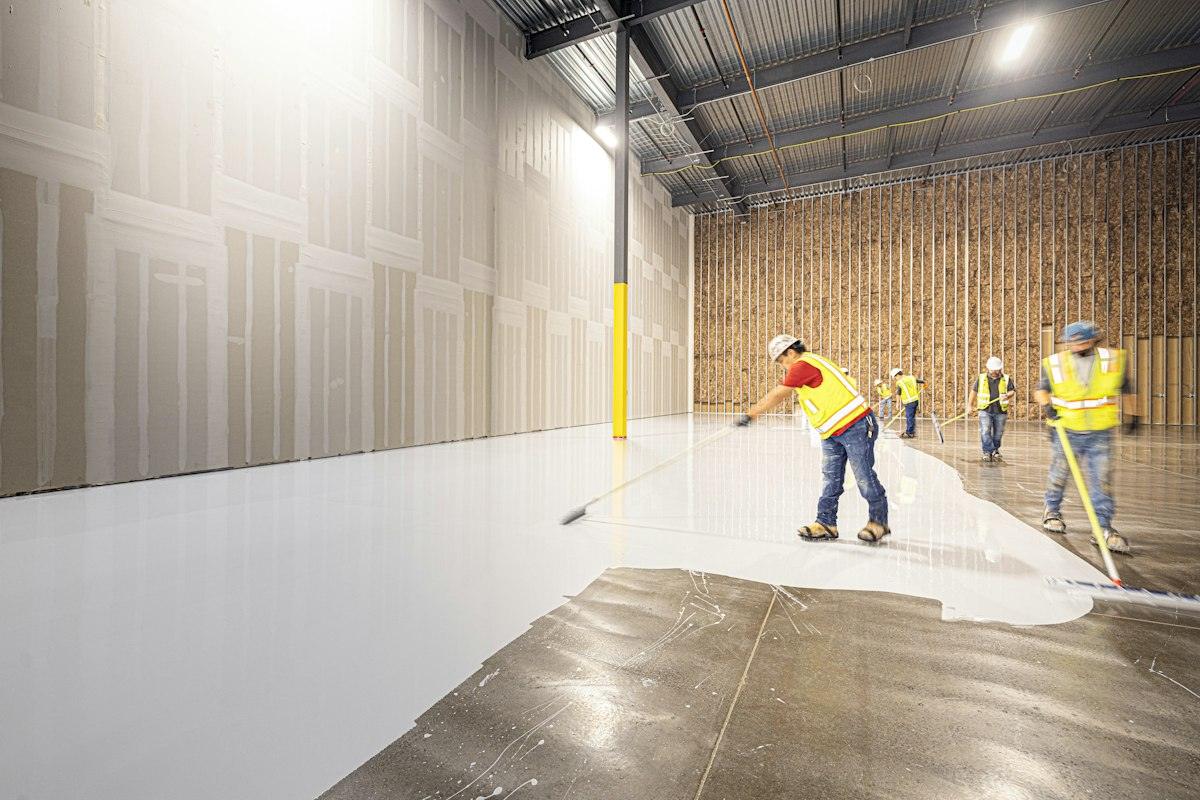
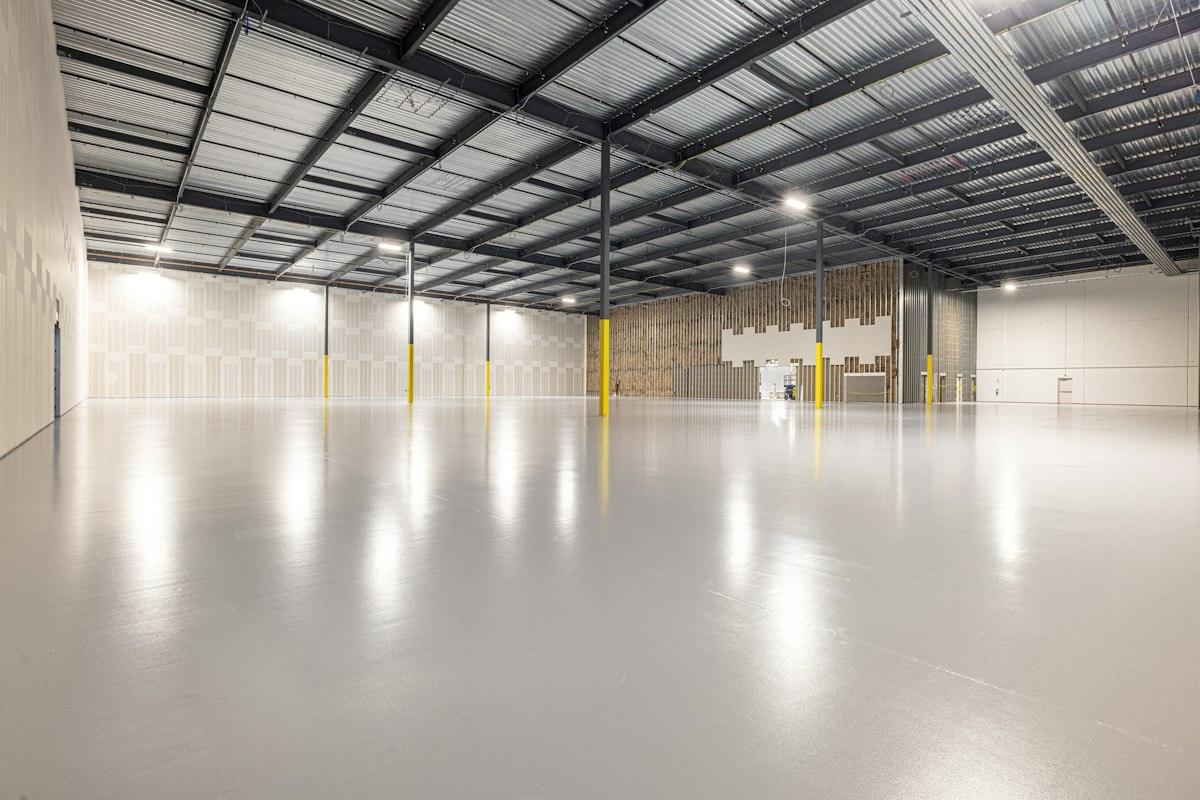
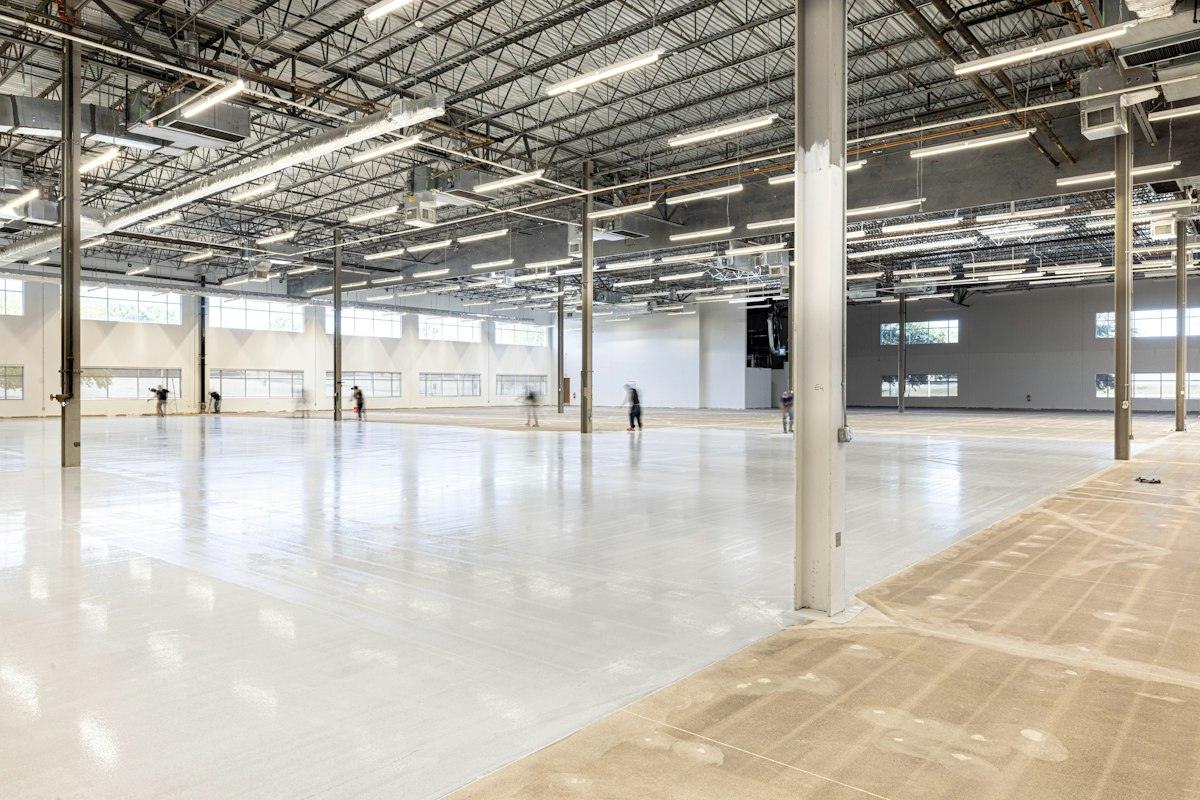
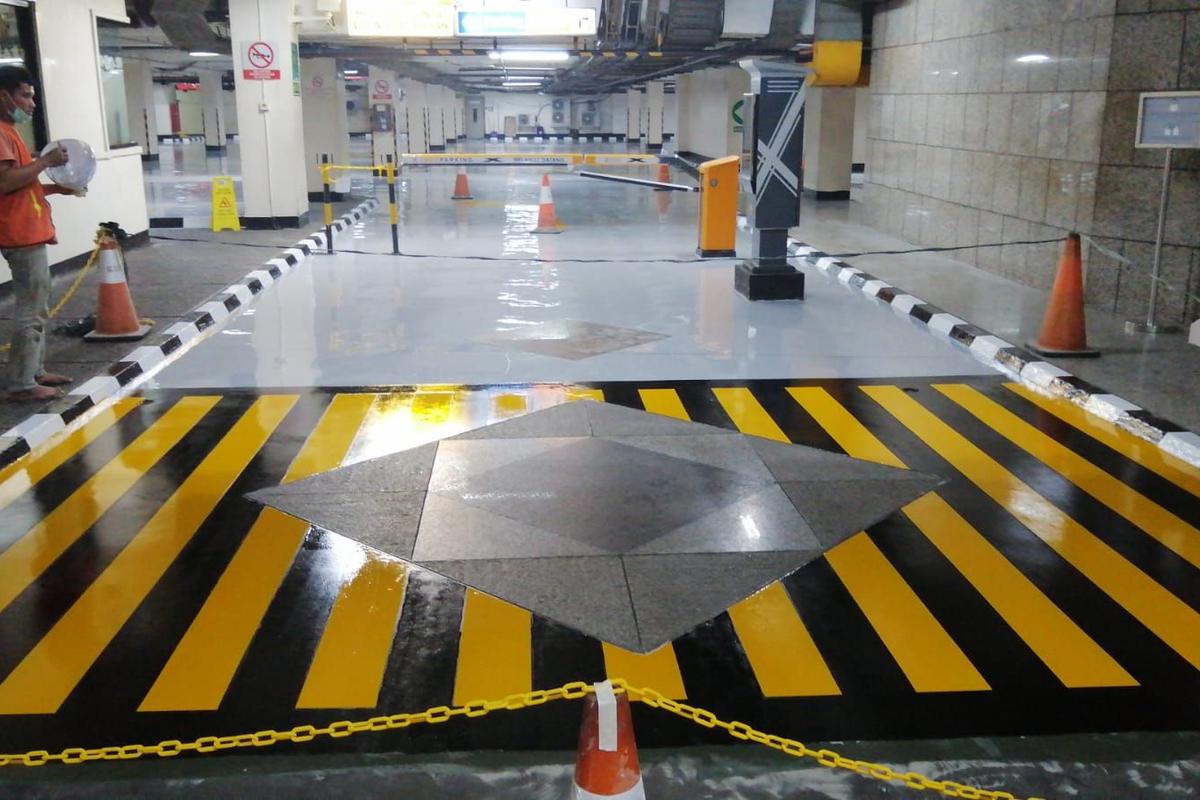
How long an epoxy floor lasts is decided by the concrete under it. The best coating still fails over a slab that is damp, weak or oily. That is why every survey starts with the concrete.
What should be checked before a floor is coated with epoxy? Slab moisture, cracks and holes, surface strength, old coatings, oil contamination, flatness, and joints and drains. Each finding sets the preparation needed before primer.
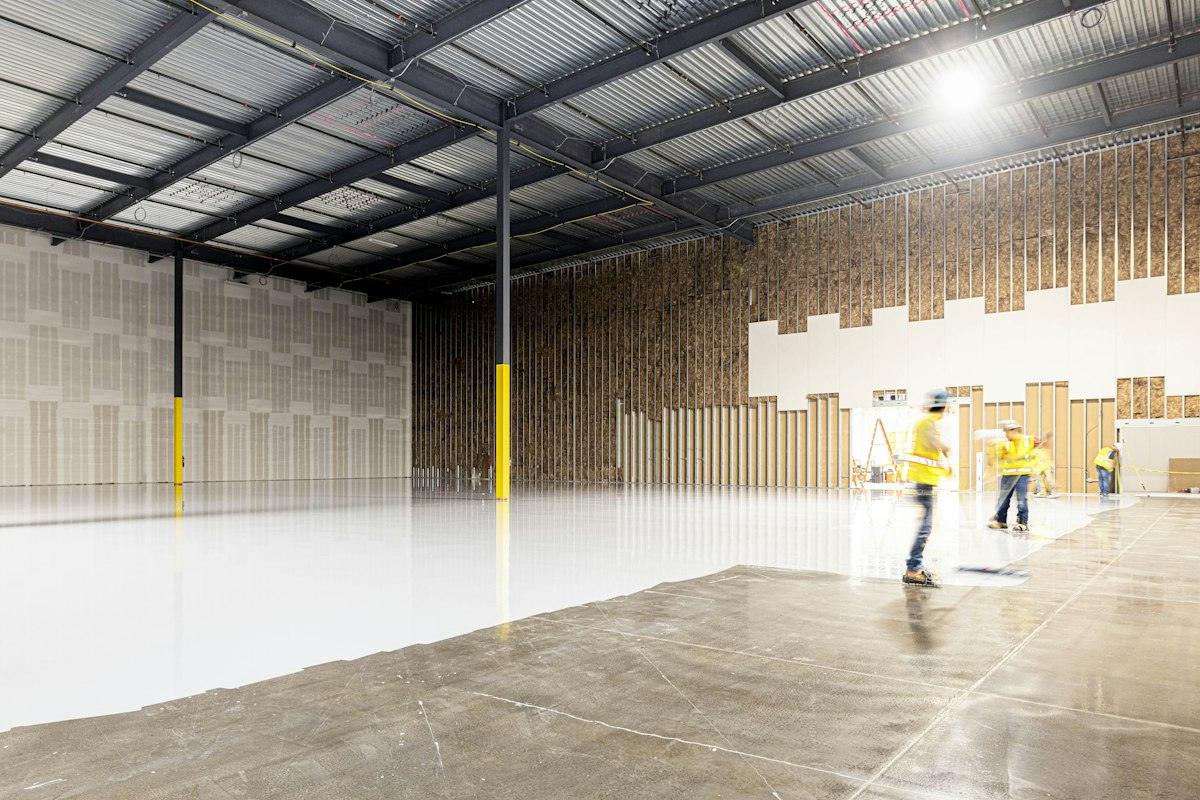
The checklist
- Moisture. Measured with a plastic sheet test or a moisture meter. High moisture has to be dealt with before work starts.
- Cracks and holes. Hairline cracks, structural cracks and holes are recorded. A crack that is still moving needs different treatment from one that has settled.
- Surface strength. The thin weak skin on top of concrete (laitance) has to come off, because epoxy is only as strong as the surface it bonds to.
- Old coatings. Old paint or epoxy is tested for adhesion. Anything already peeling comes off; it is not coated over.
- Oil and chemical contamination. Concrete that has soaked up oil needs deep cleaning or its top layer removed.
- Flatness. Undulations and dips decide whether a coating is enough or self levelling is needed.
- Joints and drains. Movement joints and falls to drains are checked so water does not pond after coating.
Why survey findings change the quotation
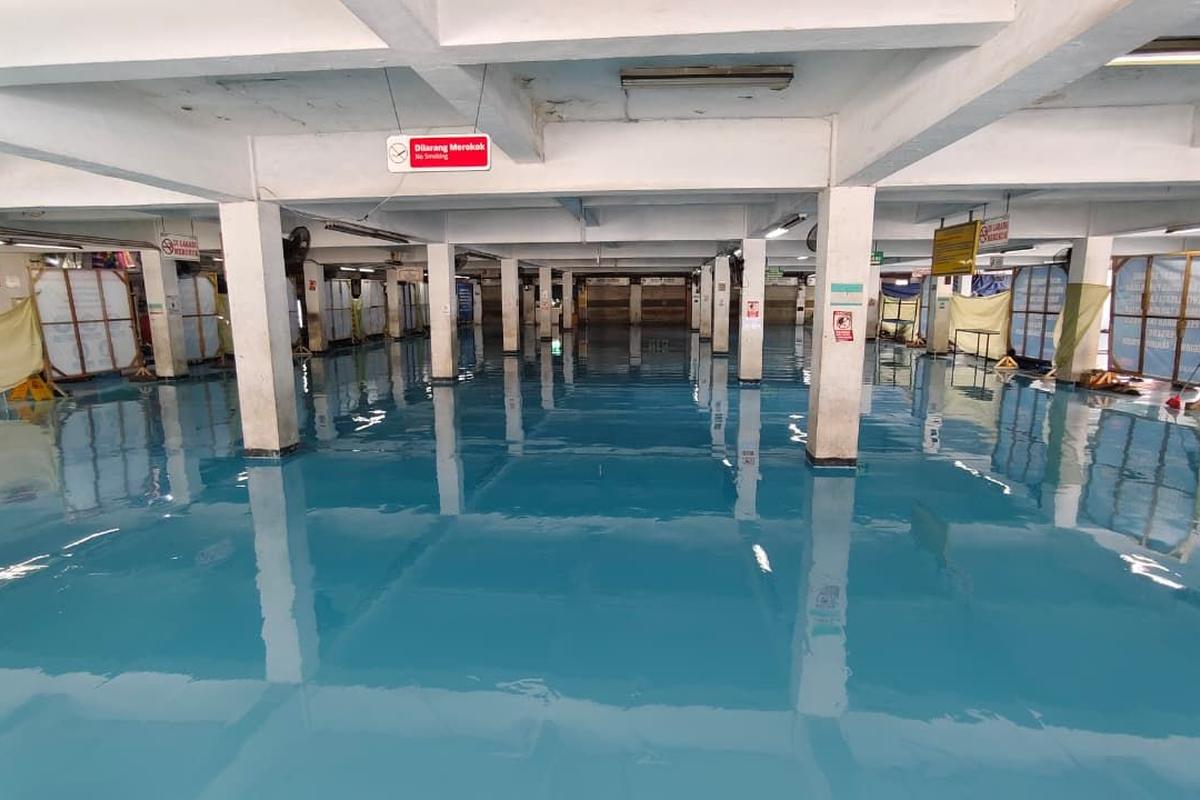
Every finding adds or removes preparation: deeper grinding, epoxy mortar repairs, a primer for damp concrete, or stripping an old coating. At the Pelindo warehouse in Tanjung Priok, for example, serious cracking and a porous surface had to be repaired with epoxy mortar first, so that 4,000 m2 project took 30 working days.
That is why a price per metre cannot be set accurately before the slab is checked.
What you can have ready
This speeds up the survey: the age of the slab, any previous coatings, the loads and vehicles that cross it, the chemicals used in the area, and photos of the floor as it is now. Send them over WhatsApp before the survey date.