Epoxy and floor hardener are often compared as if they were equal options. They work in different ways, and what decides it most is when the floor is being built.
Which is better for a warehouse, epoxy or floor hardener? Floor hardener suits a new floor that needs abrasion resistance at low cost, because it is broadcast while the concrete is poured. Epoxy suits an existing floor, or a warehouse that needs a sealed, chemical resistant, easy to clean, coloured floor.
What floor hardener is
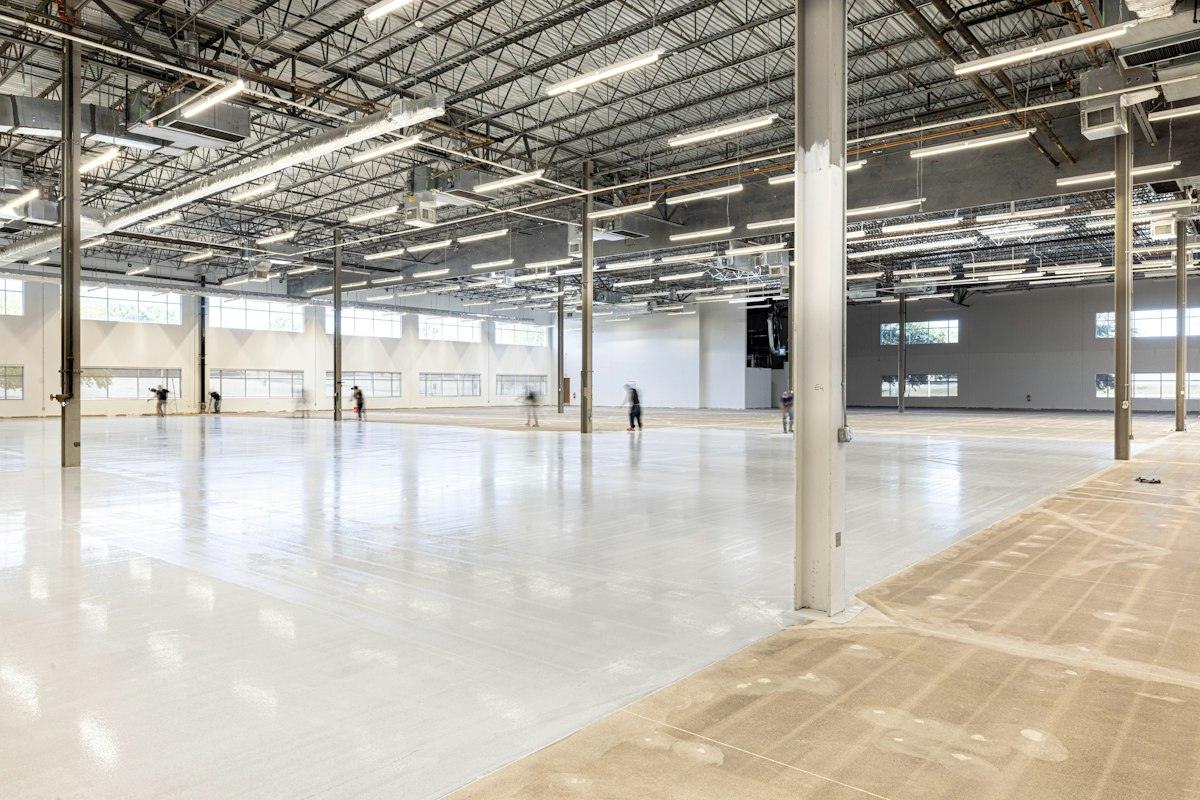
Dry shake floor hardener is a mix of cement and hard aggregate broadcast onto freshly poured concrete and worked in with a power trowel. The result is a harder, more abrasion resistant concrete surface. Because it has to bond with fresh concrete, it can only go on during the pour.
For an existing floor, the option is a liquid densifier that soaks into the pores and cuts dusting, but adds no layer on top.
How epoxy differs
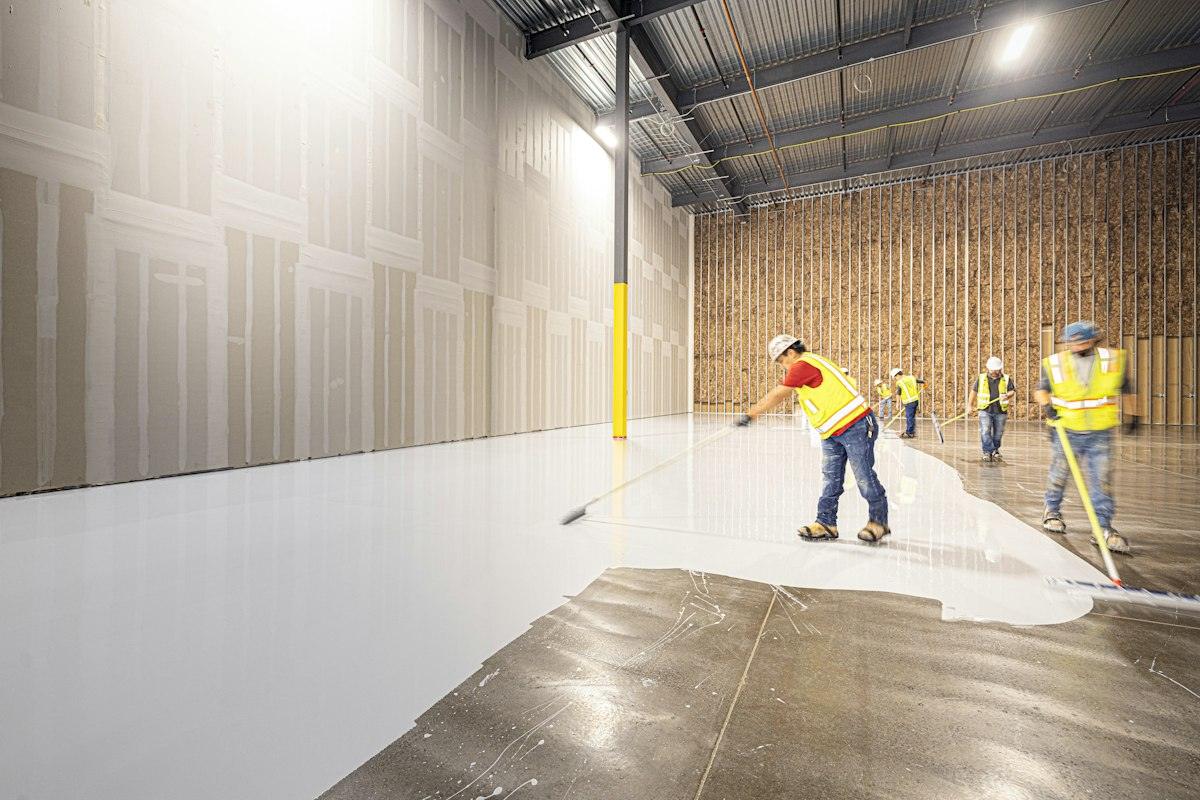
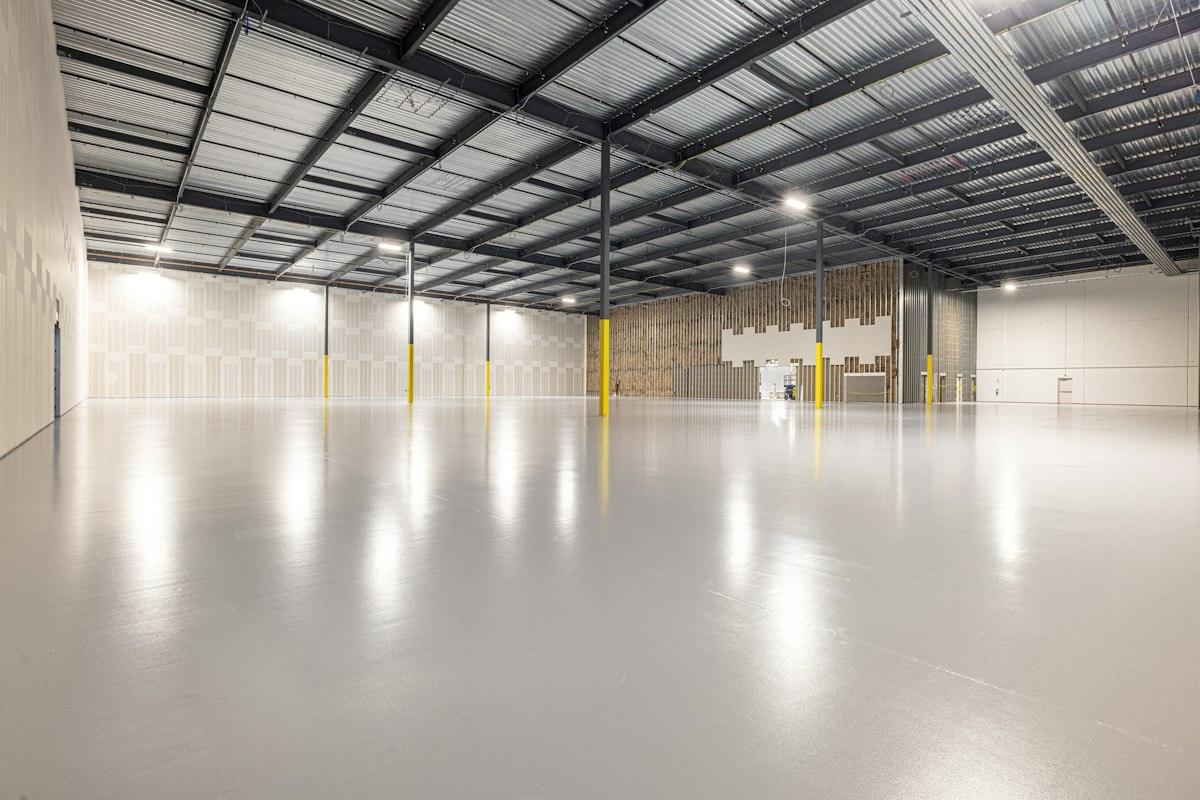
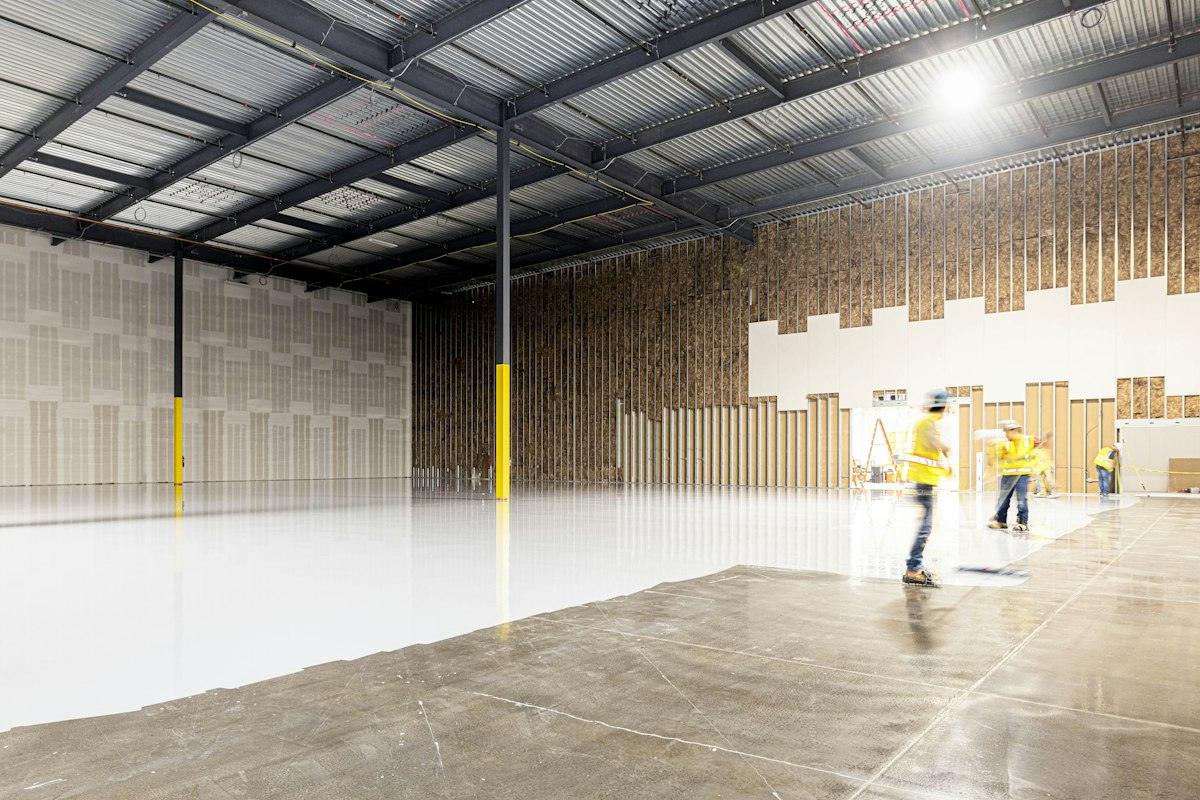
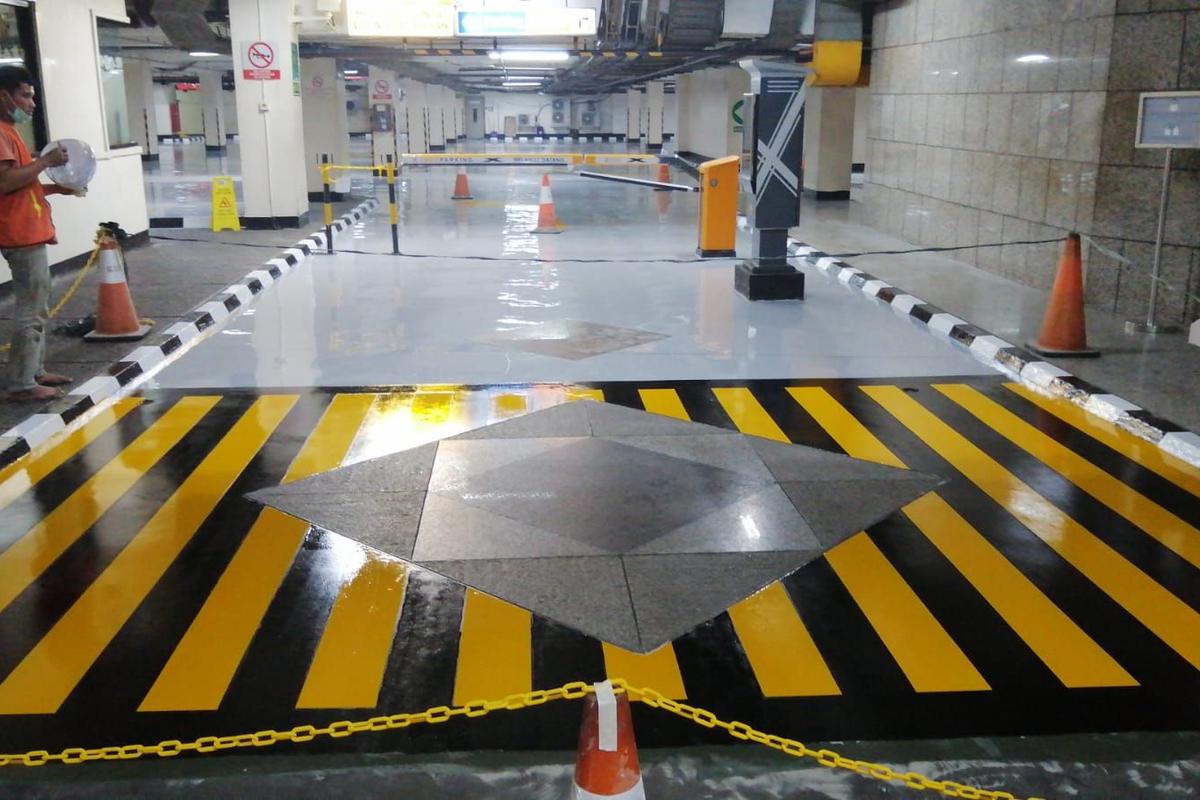
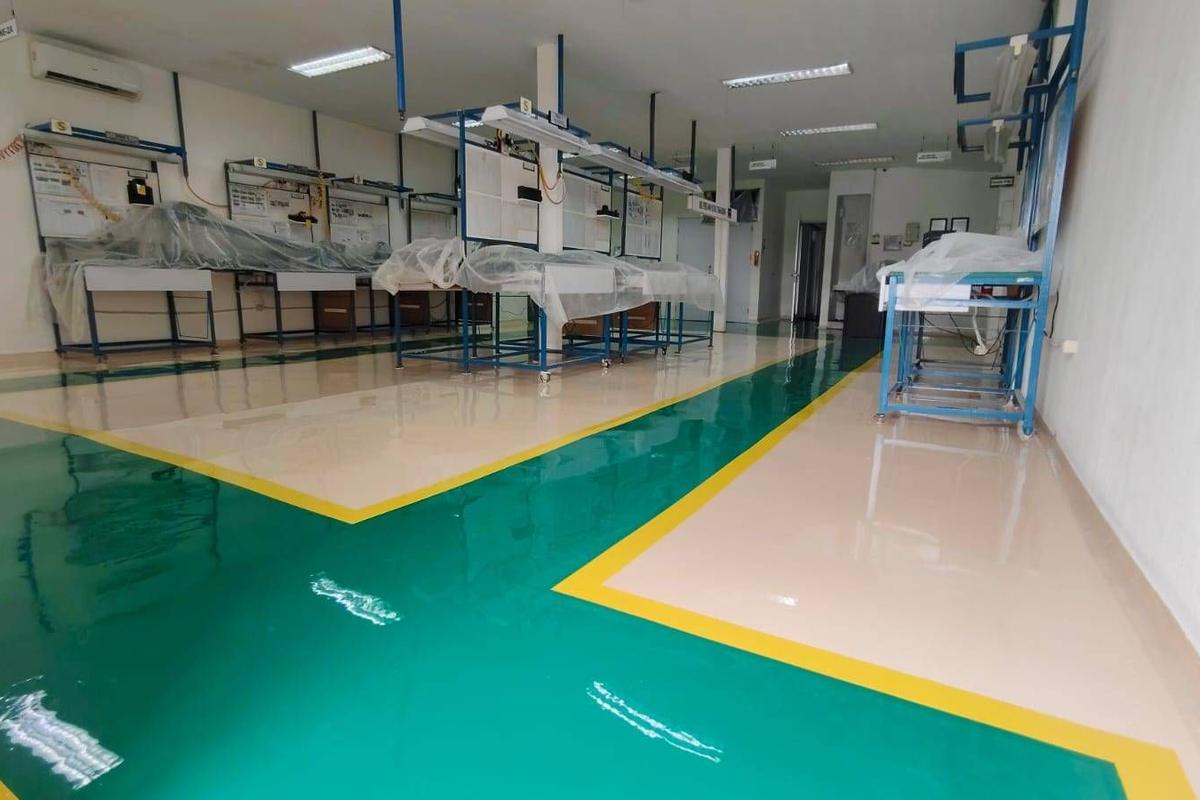
Epoxy is a resin layer on top of finished concrete. It seals the pores, so the floor does not absorb spills, does not dust and cleans easily. It also comes in many colours, so zones and aisles can be marked into the floor itself.
Side by side
- When applied: floor hardener during the pour, epoxy on finished concrete.
- Abrasion: both good; floor hardener excels at heavy abrasion for little cost.
- Chemicals and stains: epoxy is far more resistant, because it is not porous.
- Hygiene: epoxy is sealed and dust free, better for food, pharmaceutical and electronics storage.
- Colour and markings: epoxy takes colour and markings; floor hardener is limited to grey and a few pigments.
- Cost: floor hardener is lower per metre when done with the pour.
How to choose
If the warehouse is still being built and will hold dry goods, floor hardener during the pour is the economical choice. If the floor already exists, or the warehouse holds food, medicine, chemicals or goods that need a dust free space, epoxy fits better. Some warehouses use both: hardened concrete, then epoxy over the areas that need a higher standard of cleanliness.