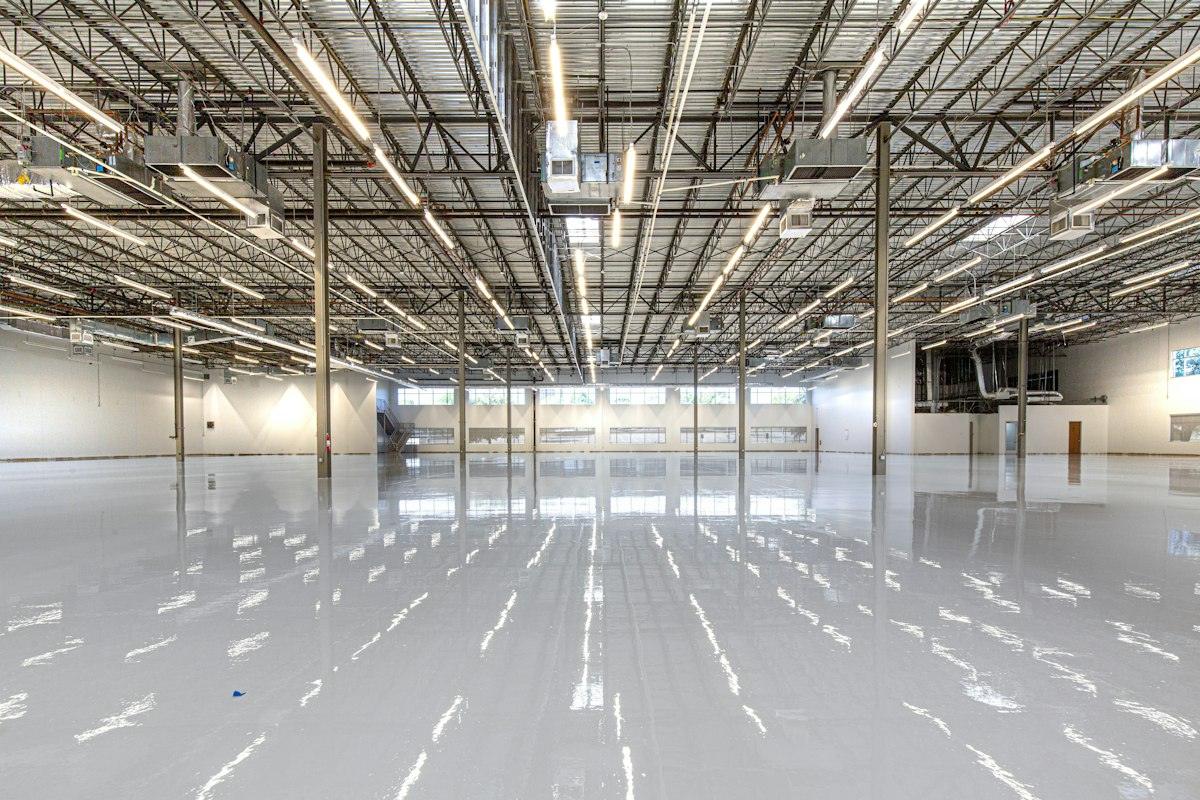
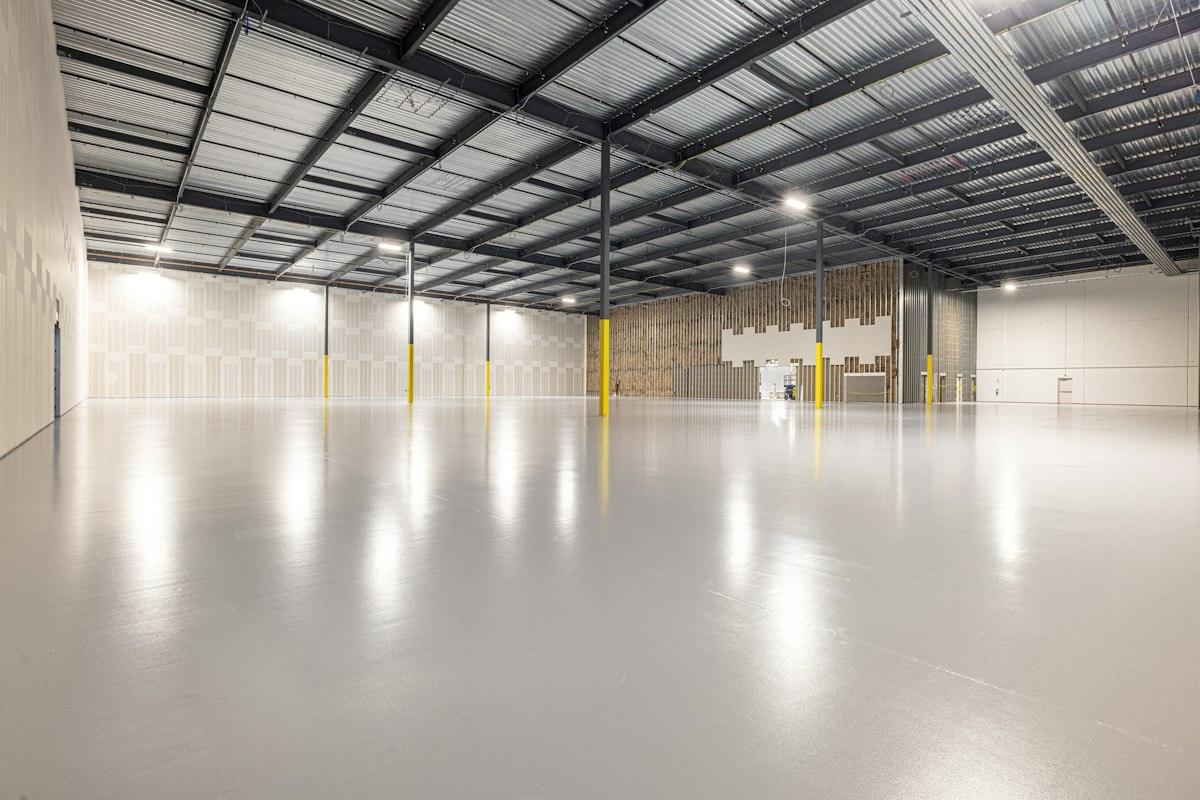
There is no single service life that holds for every warehouse. The same floor can last far longer in one building than in another, depending on how the forklifts run over it.
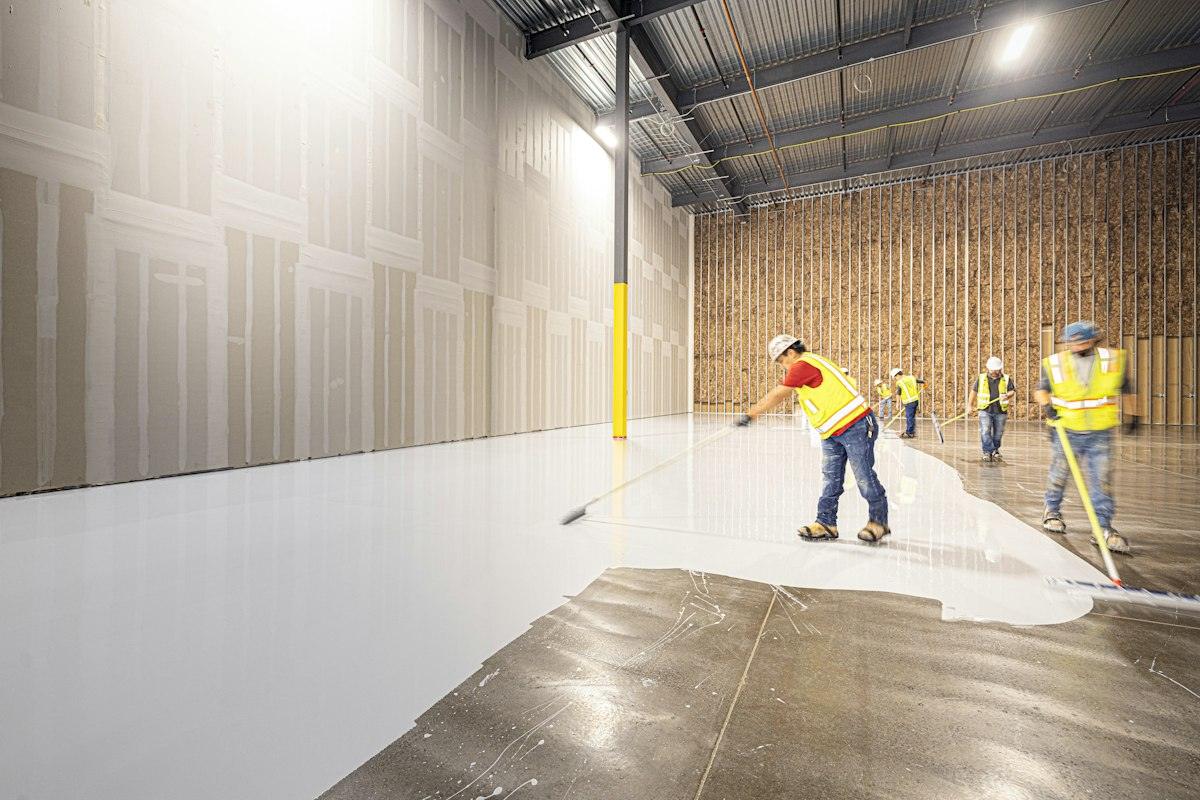
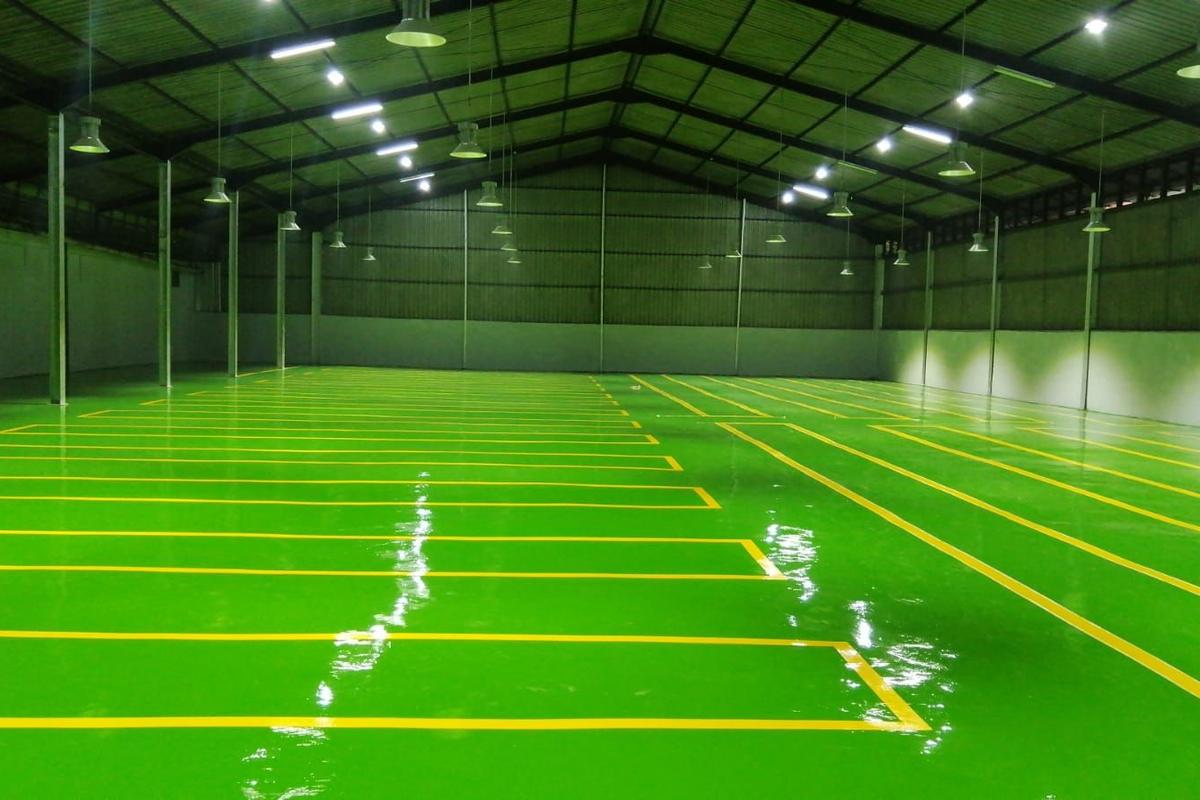
How long does an epoxy floor last in a forklift area? It depends on thickness and load. A thin coating in a busy forklift aisle can start wearing within months, while self levelling at 2 to 3 mm lasts far longer, especially if its top coat is renewed periodically.
Coating thickness
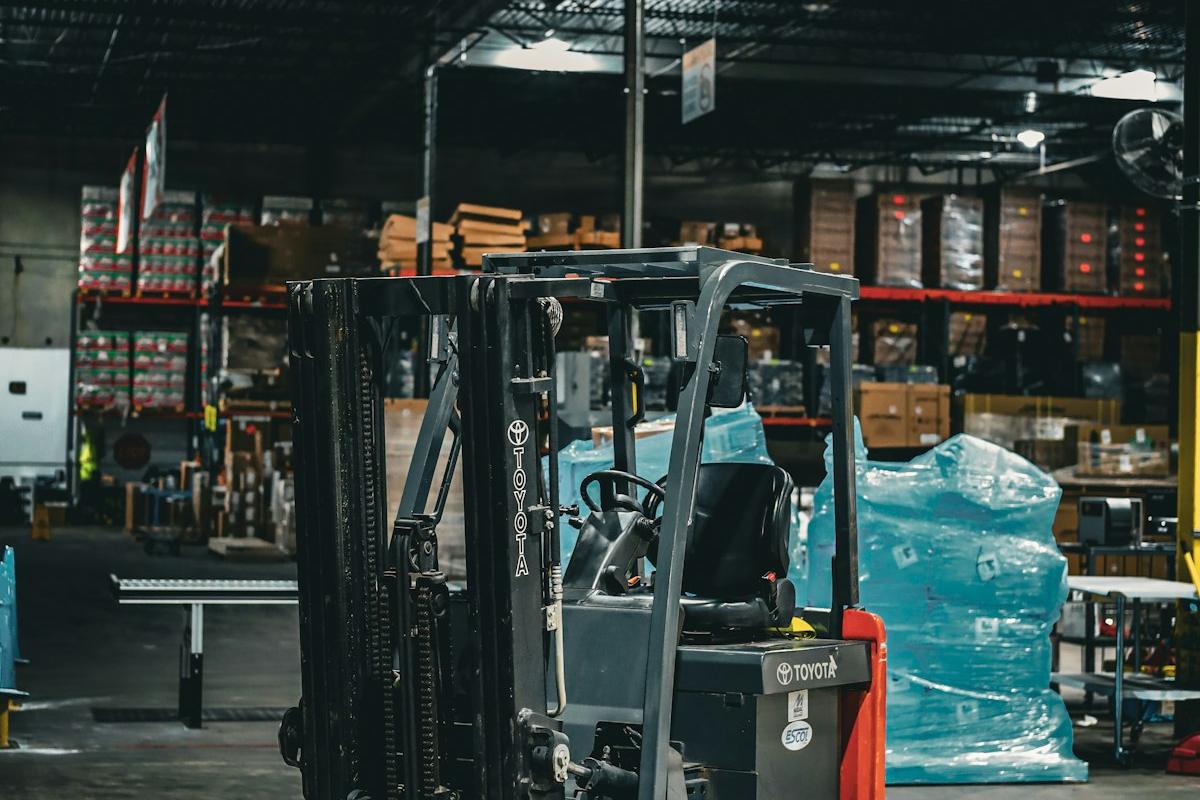
Forklift wheels wear the coating away a little at a time. The thicker the layer, the longer it takes to wear through to concrete. That is why busy forklift aisles almost always get self levelling or mortar, not a thin coating.
Wheel type and load
- Polyurethane or rubber wheels are the kindest to the floor.
- Hard nylon and steel wheels put far higher point pressure on it and break down thin coatings faster.
- Overloading adds pressure at every wheel, especially on manual pallet jacks with small wheels.
Traffic pattern
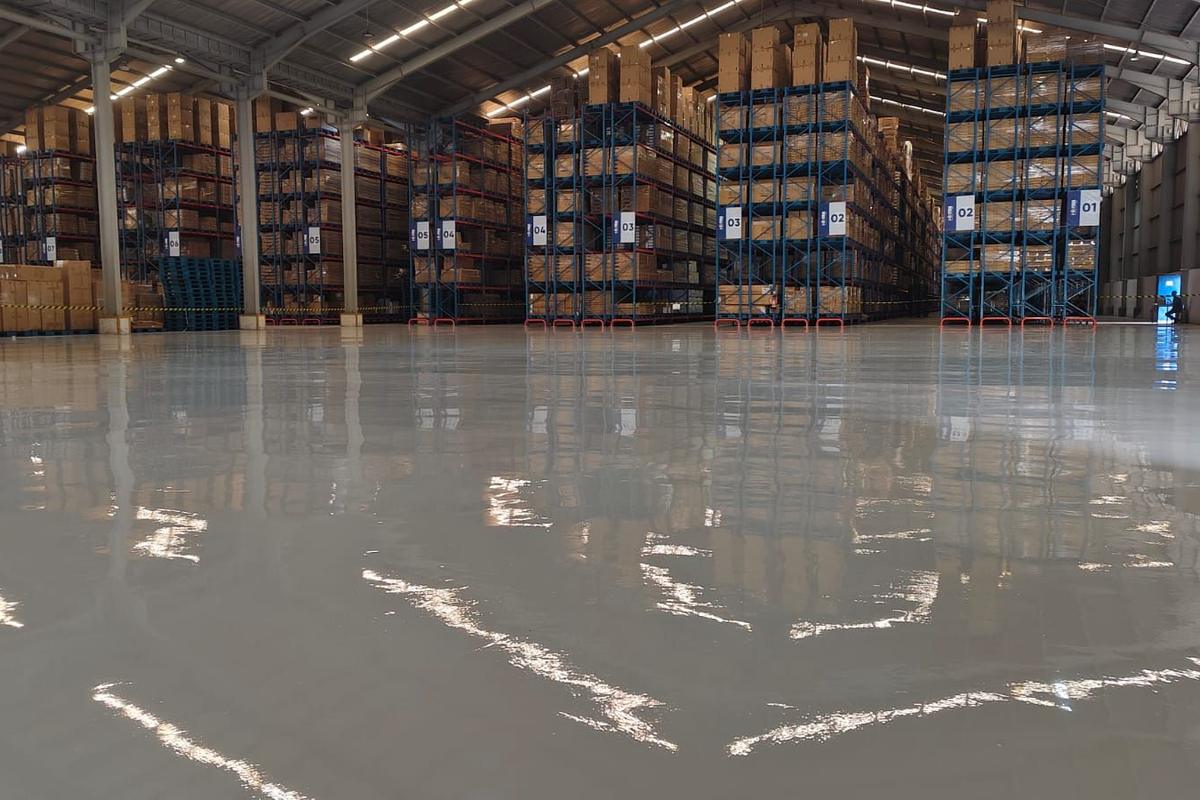
Wear is not even. Turning points, rack faces, loading dock doors and entry routes take the most, because wheels turn on the spot and brake there. Those areas usually wear first and can be built thicker from the start.
Making the floor last longer
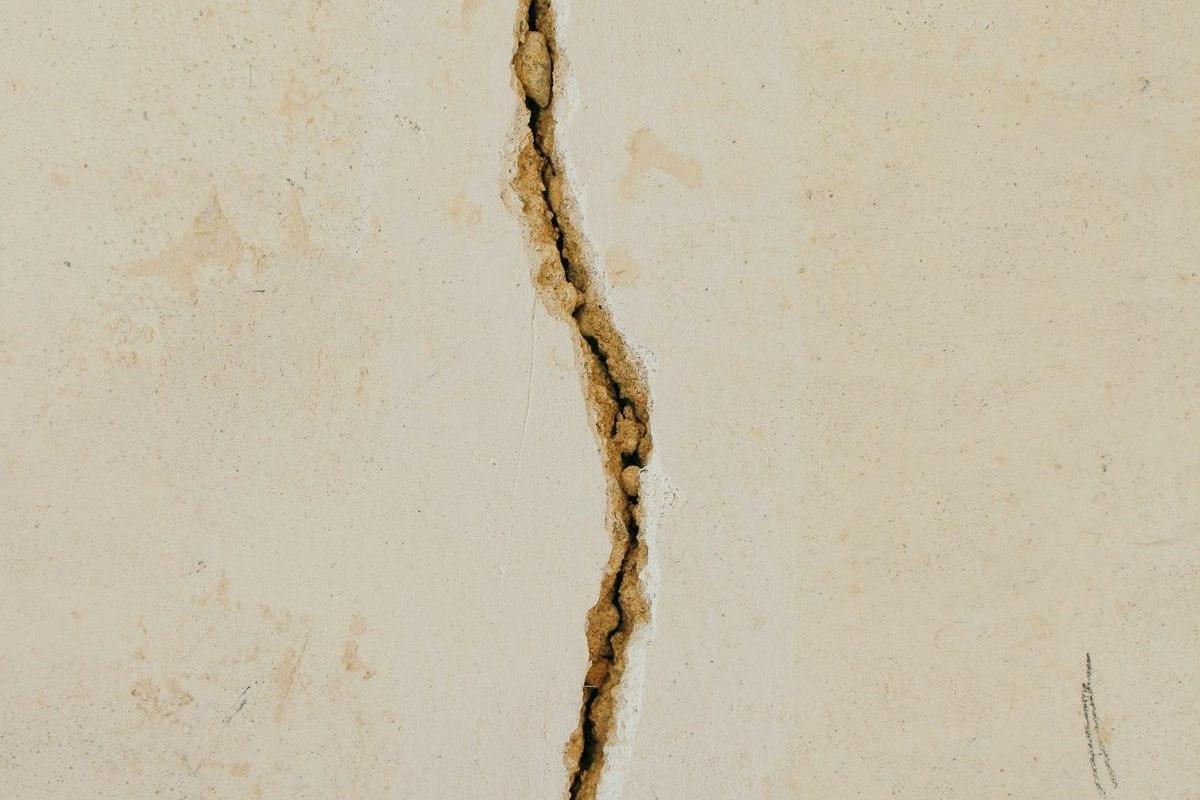
Keep the floor free of grit, because grit under a wheel works like sandpaper. Replace cracked or chunking wheels. Renew the top coat in busy aisles before wear reaches the main coat. A local repair at turning points costs far less than recoating the whole warehouse.