An epoxy floor that blisters or peels a few months after handover is often blamed on the product. In many cases the cause is water vapour rising from inside the slab and pushing on the coating from below.
Why does an epoxy floor peel? The most common cause is moisture in the concrete. Vapour from inside the slab is trapped under the sealed epoxy layer and pushes it until it blisters and lets go. That is why moisture has to be measured before work starts.
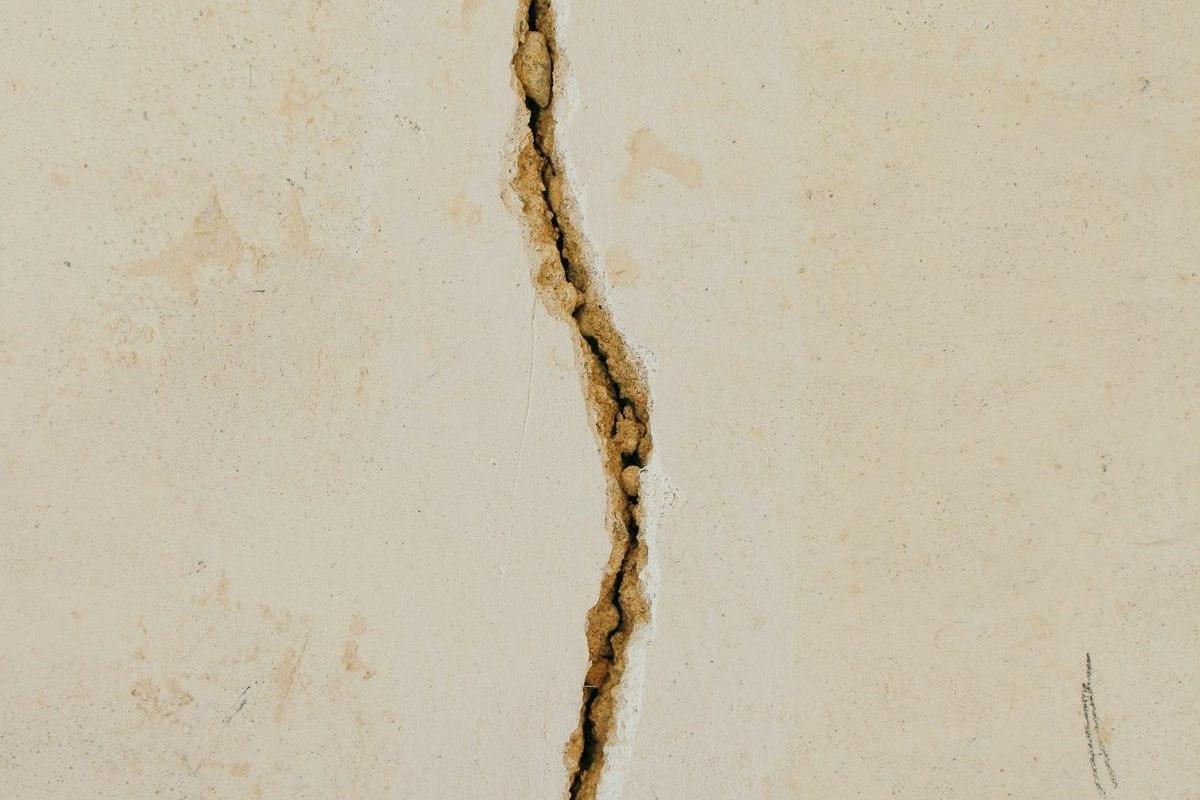
How moisture breaks the bond
Concrete can look dry on top and still hold water inside, especially new slabs, ground-bearing floors with no damp-proof membrane beneath, and areas near gardens or drains. That vapour keeps moving upward.
Epoxy forms a sealed layer. Vapour trapped beneath it builds up and pushes from below. The result is small blisters, then coating that comes away from the concrete. The damage often only shows after weeks or months.
How to test for it
- Plastic sheet test. A sheet is taped down flat for 16 to 24 hours. Condensation under it, or darkened concrete, means high moisture. Quick, but only an indication.
- Moisture meter. Gives a reading of moisture content at the surface. Many material makers ask for about 4 percent or less before primer.
- In-slab relative humidity. A probe goes into a drilled hole and is read once it settles. The most reliable method for a doubtful slab.
New concrete needs time
A new slab gives off water for weeks. The common rule is to wait about 28 days after the pour before coating, and to measure anyway. Waiting a few weeks costs less than stripping a floor that has peeled.
If the reading is high
There are two routes. The first is to wait and fix the cause, such as a leaking pipe or water pooling around the building. The second is a moisture-tolerant vapour barrier primer designed for damp concrete, under the epoxy system. The choice follows the measurement, not a guess.